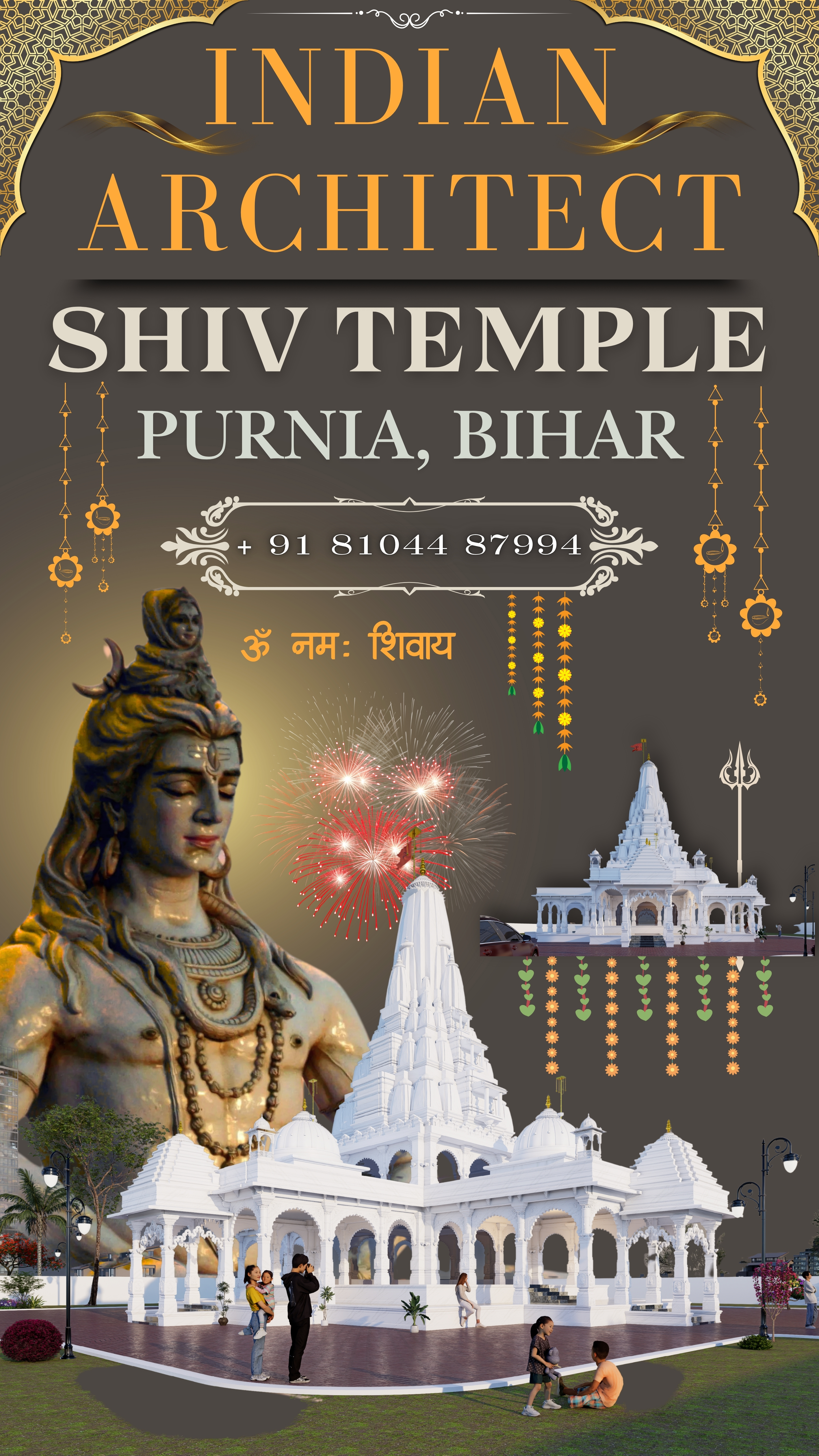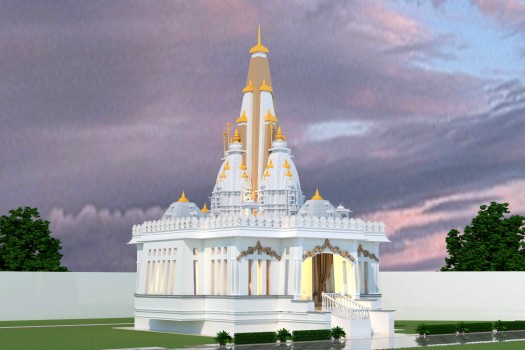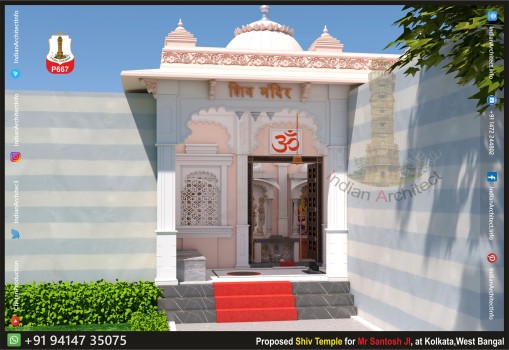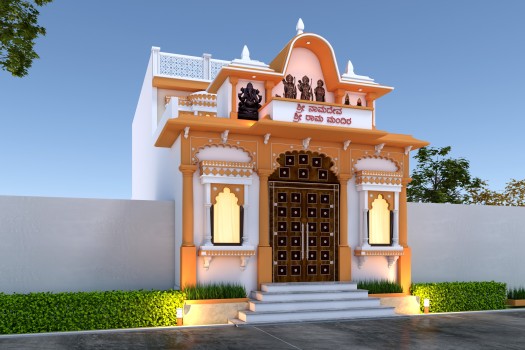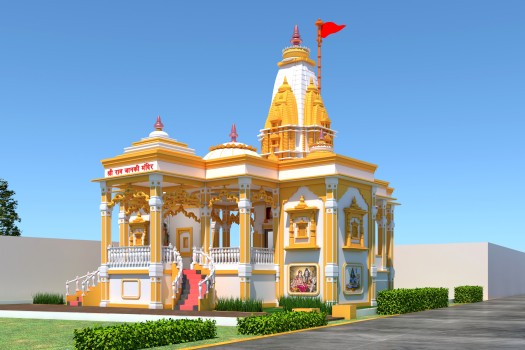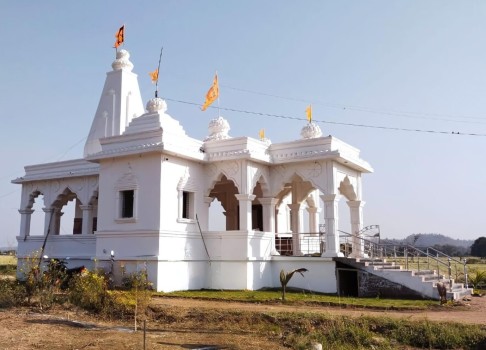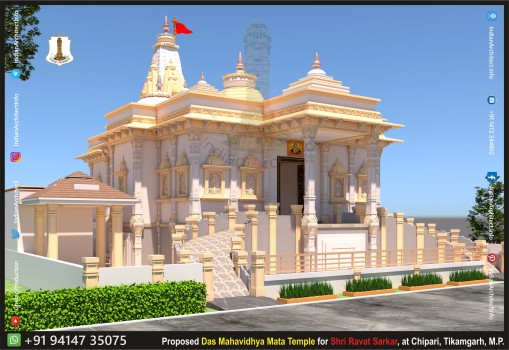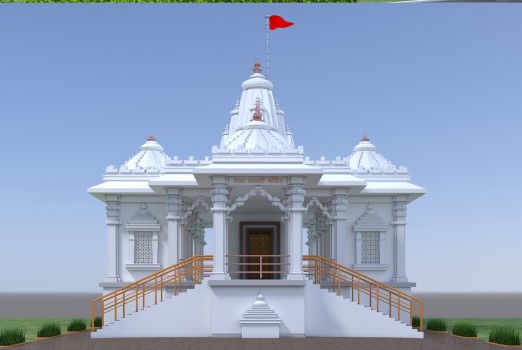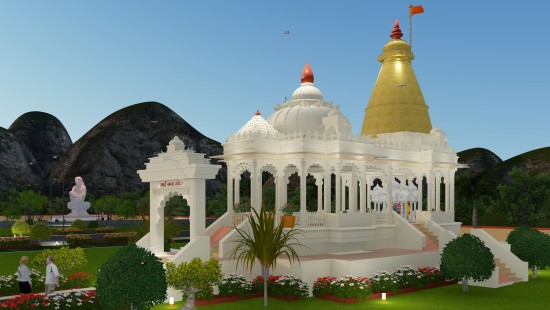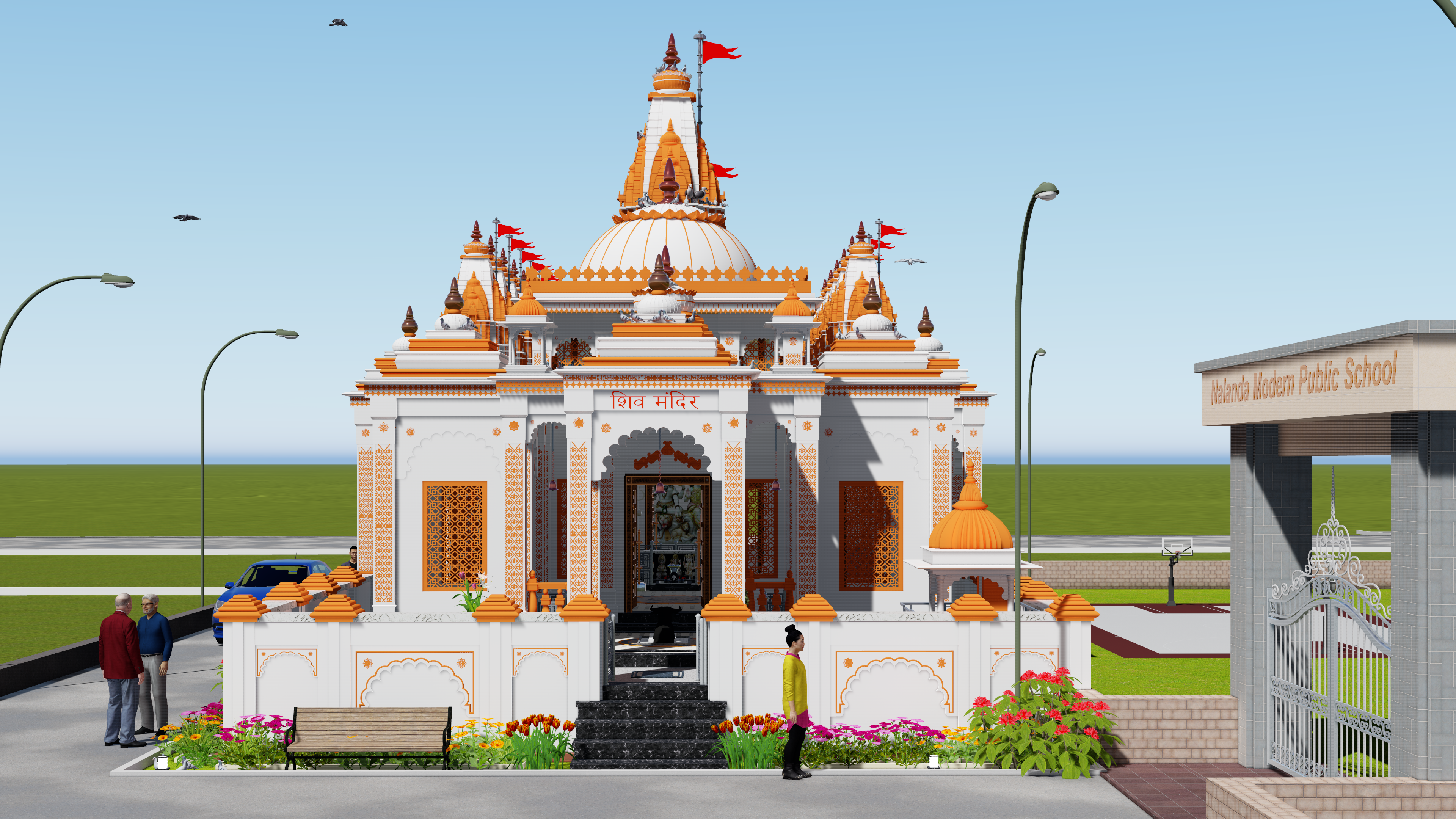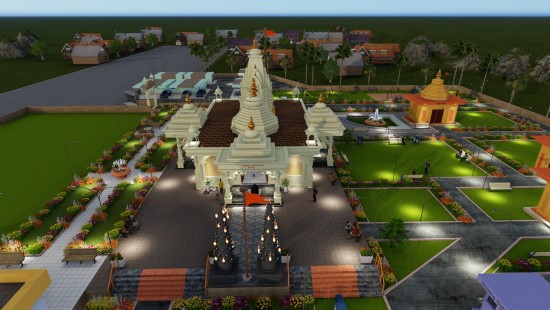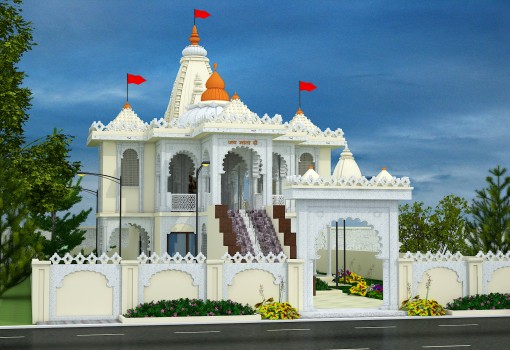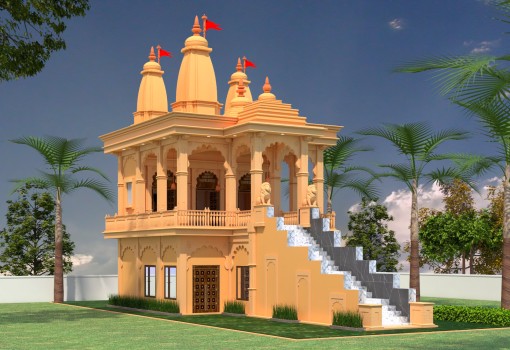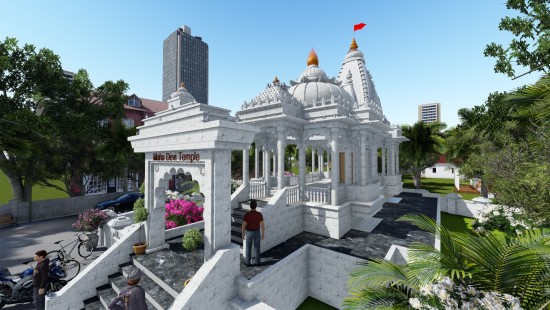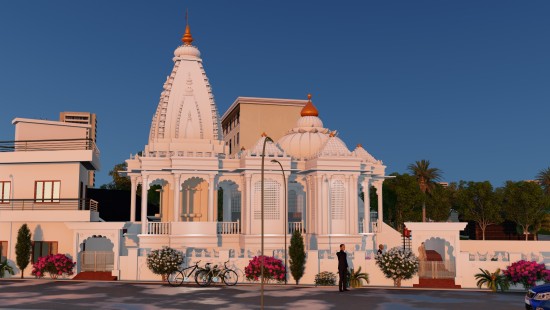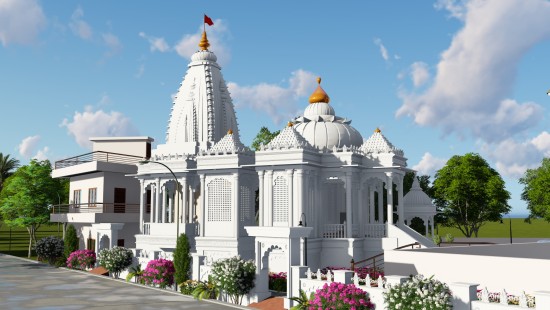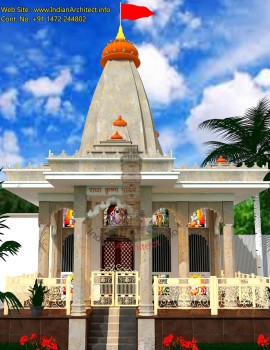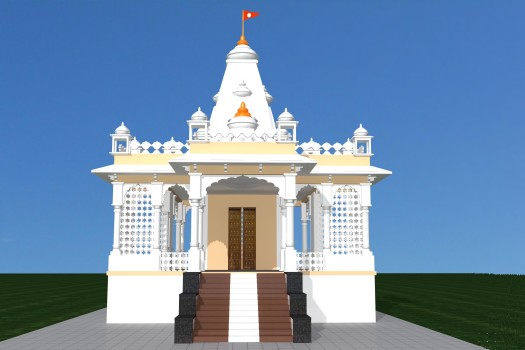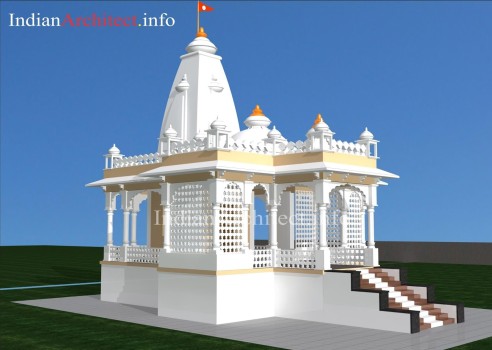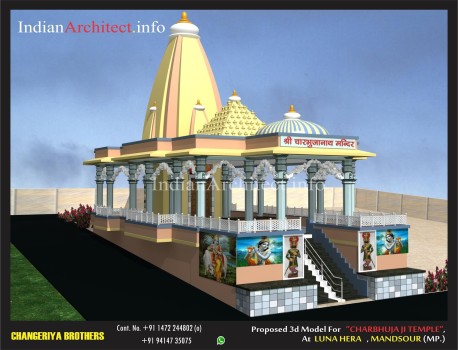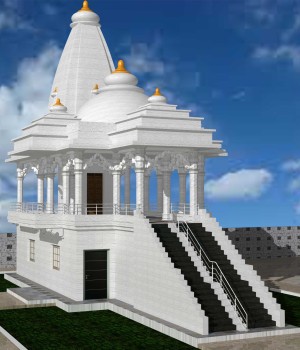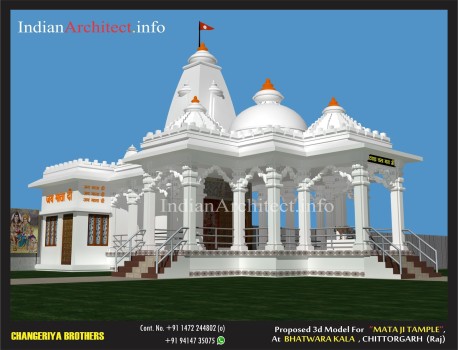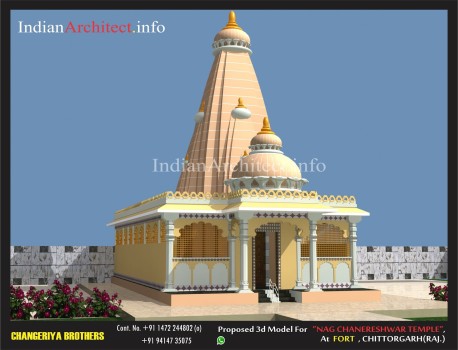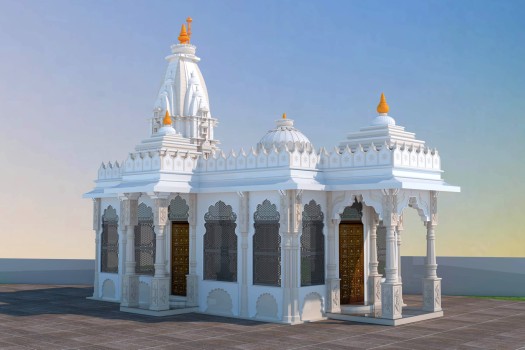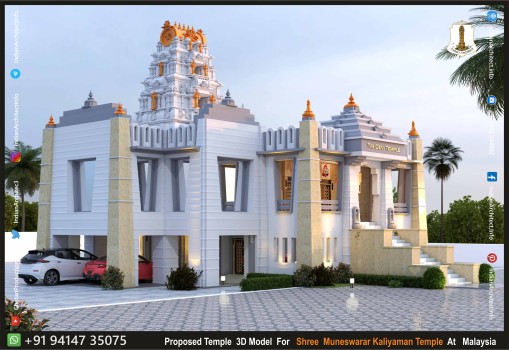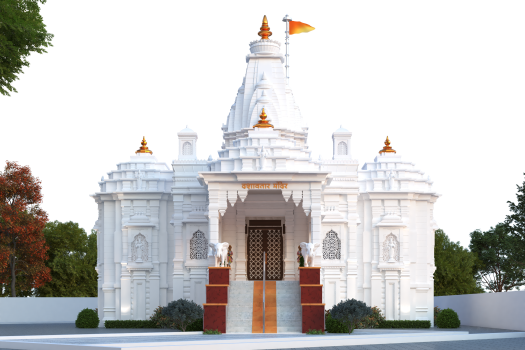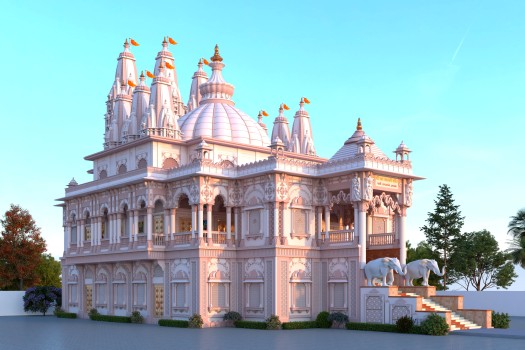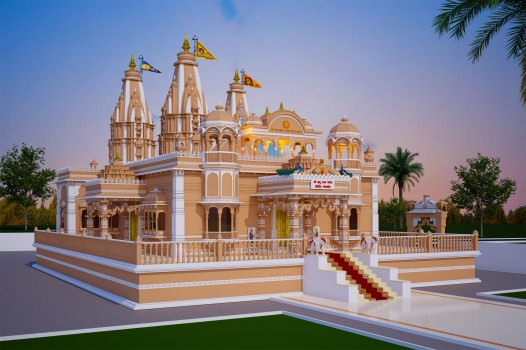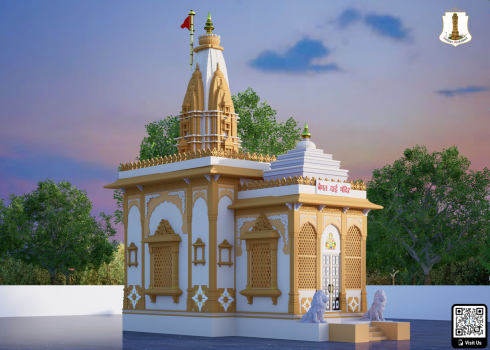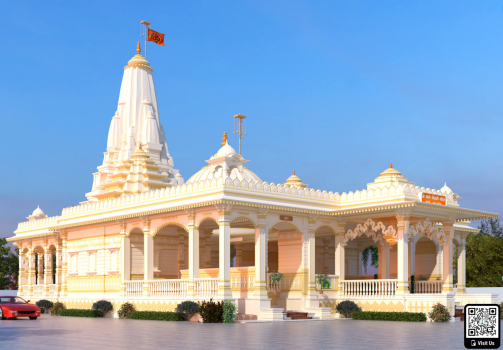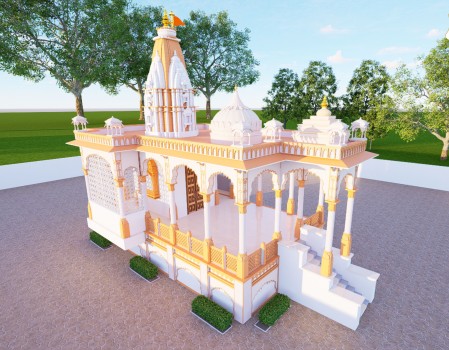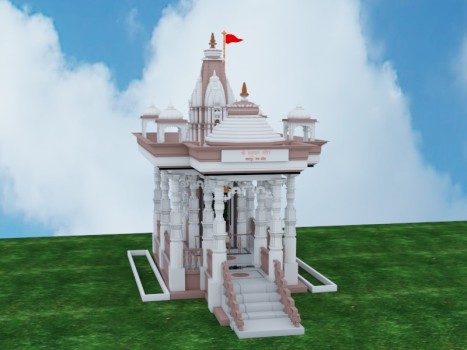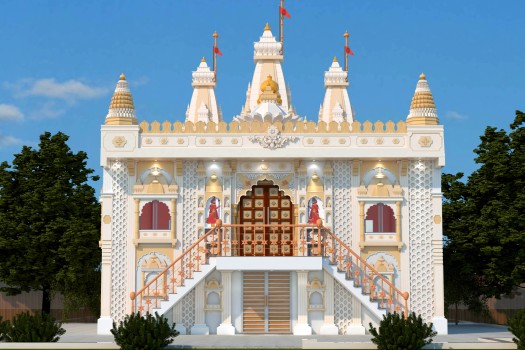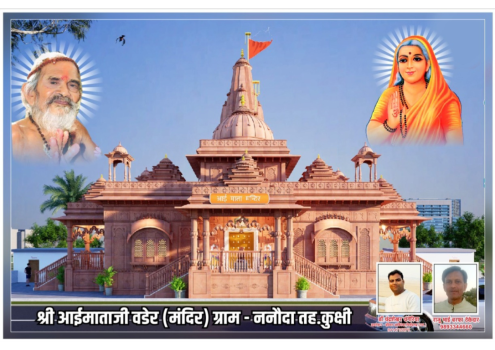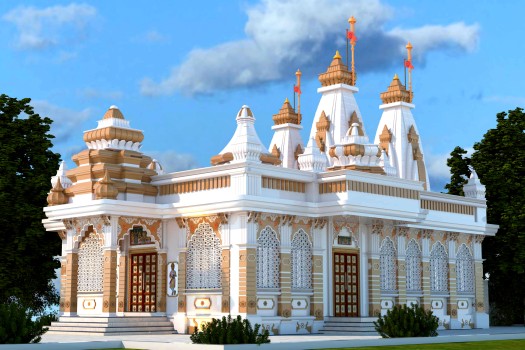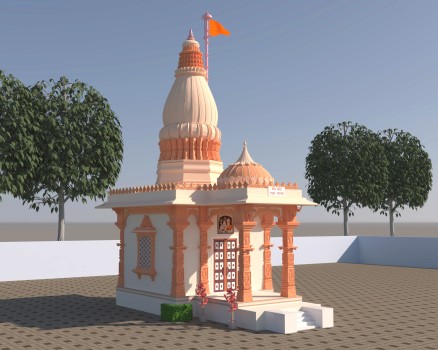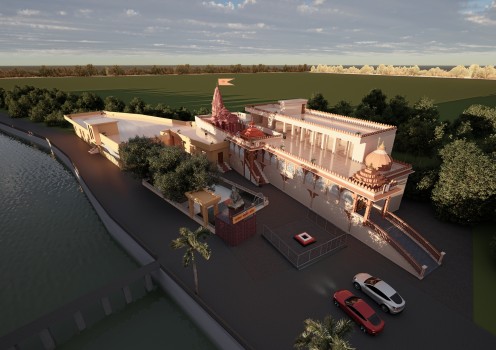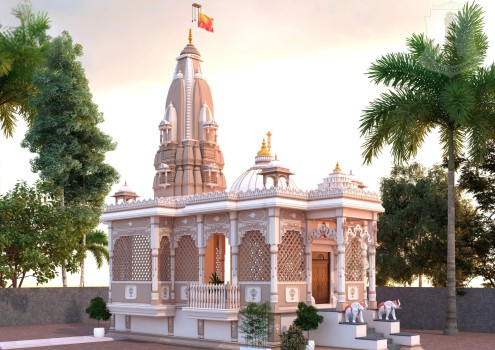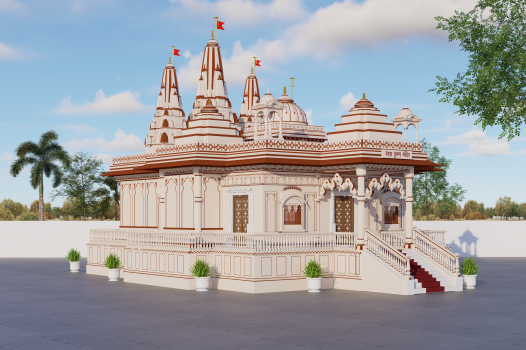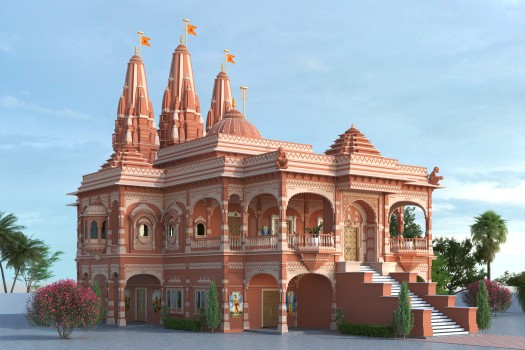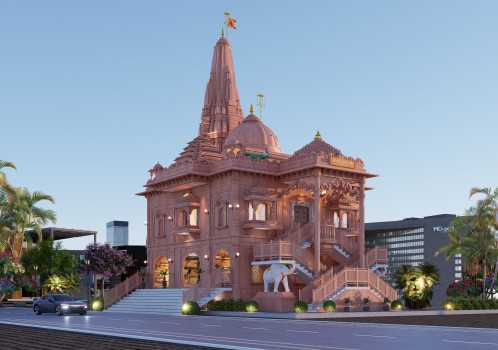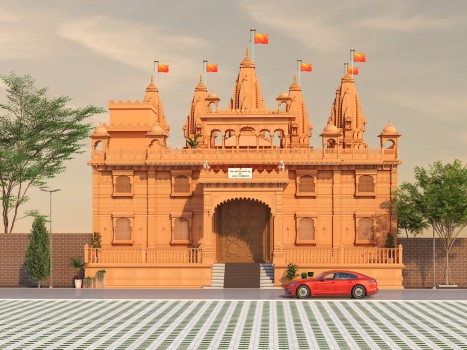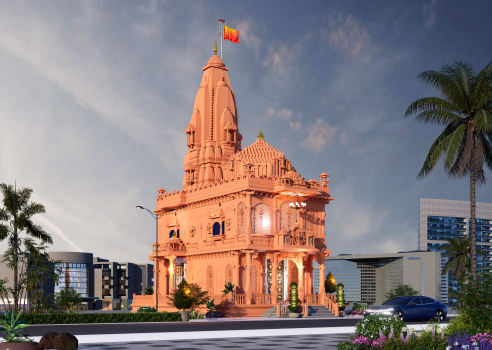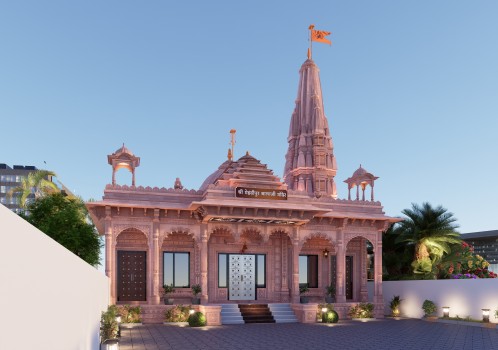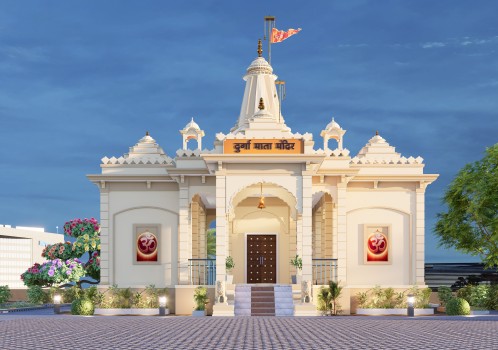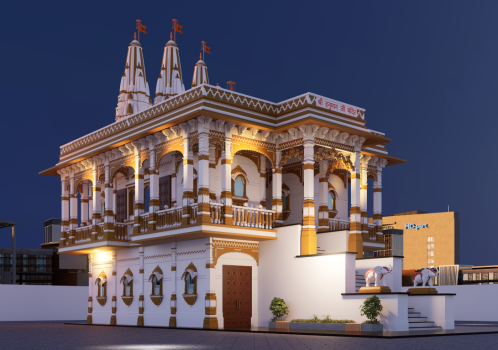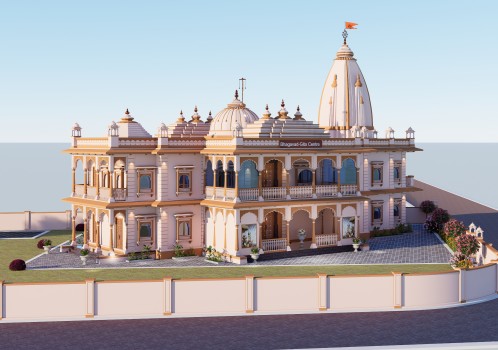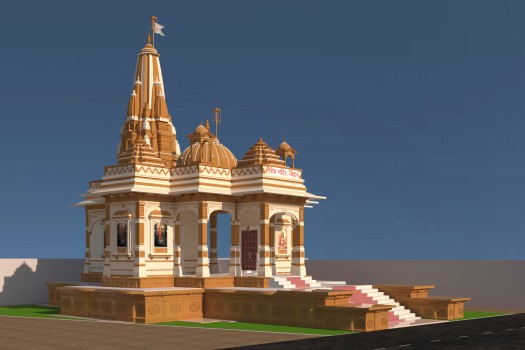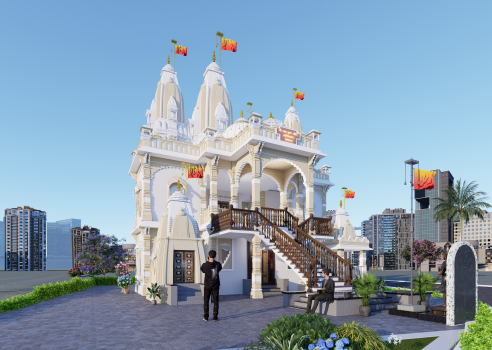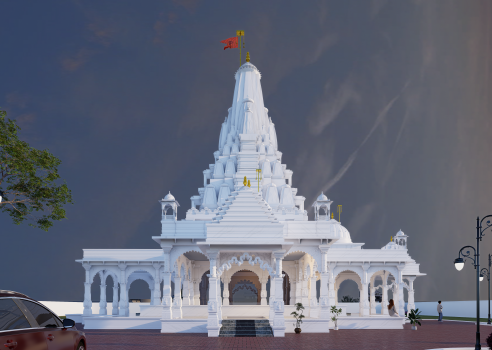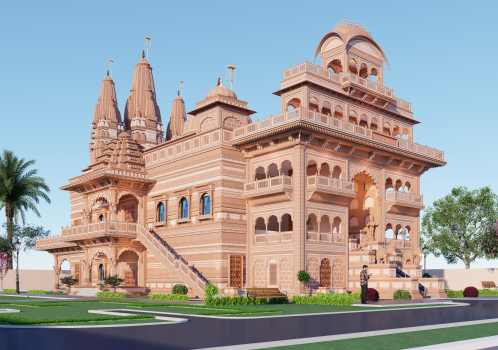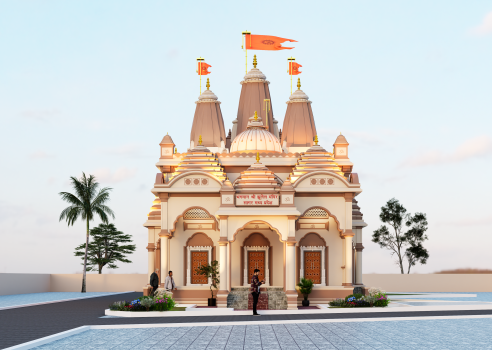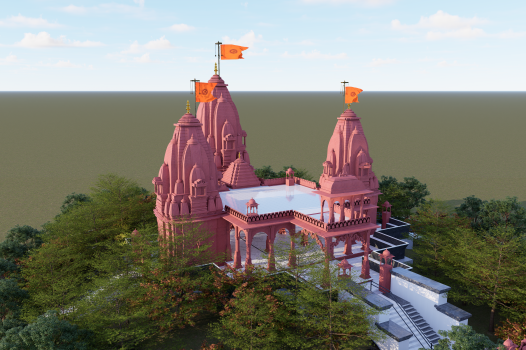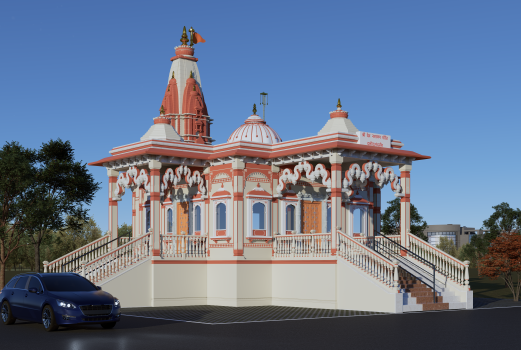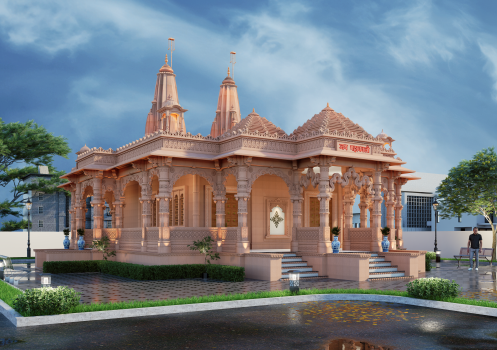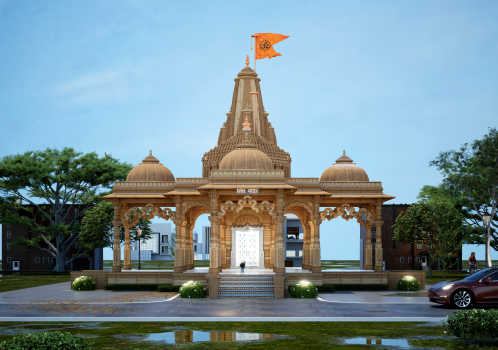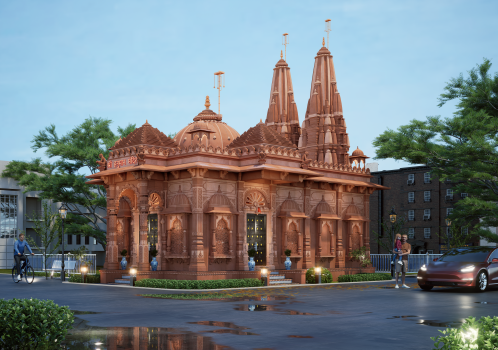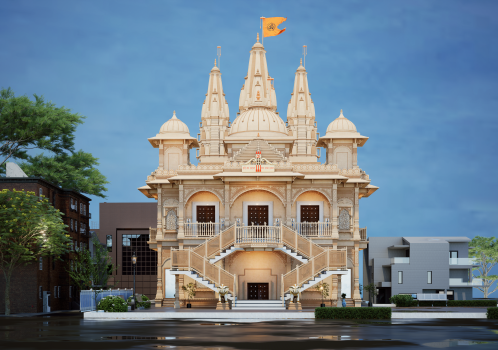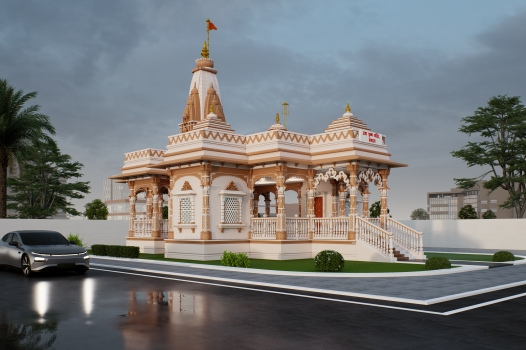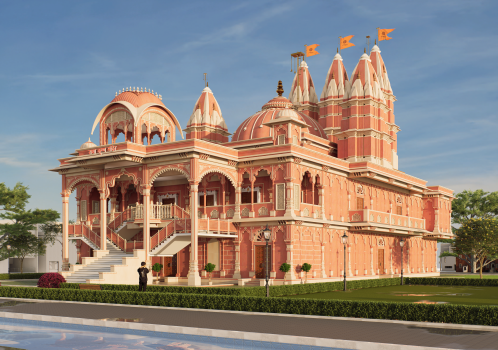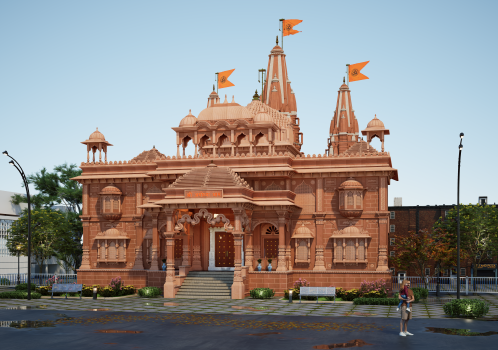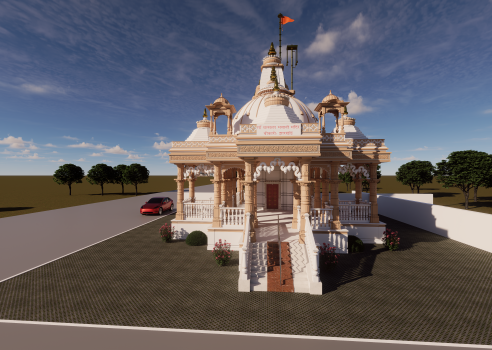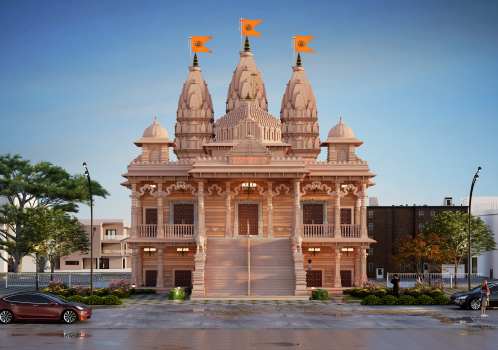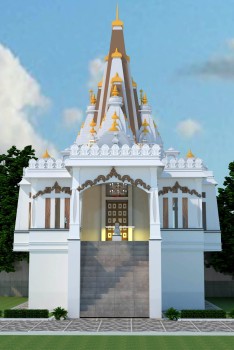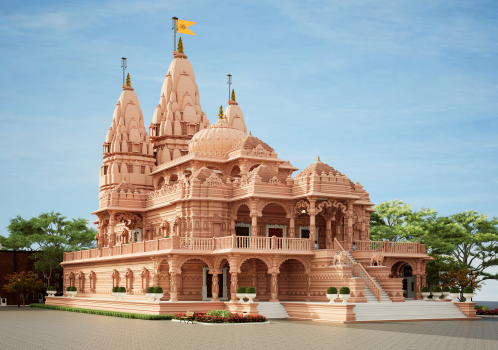
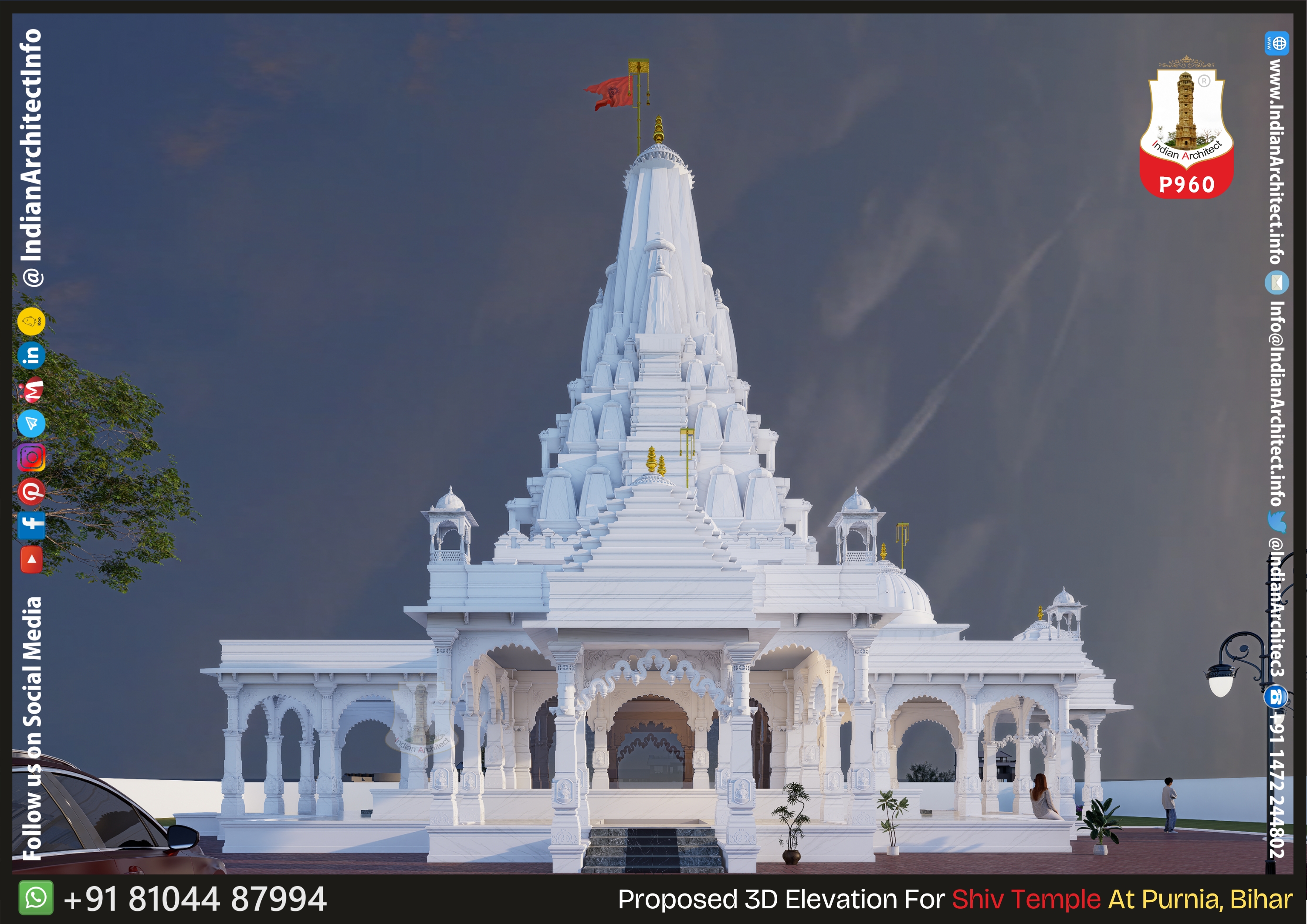
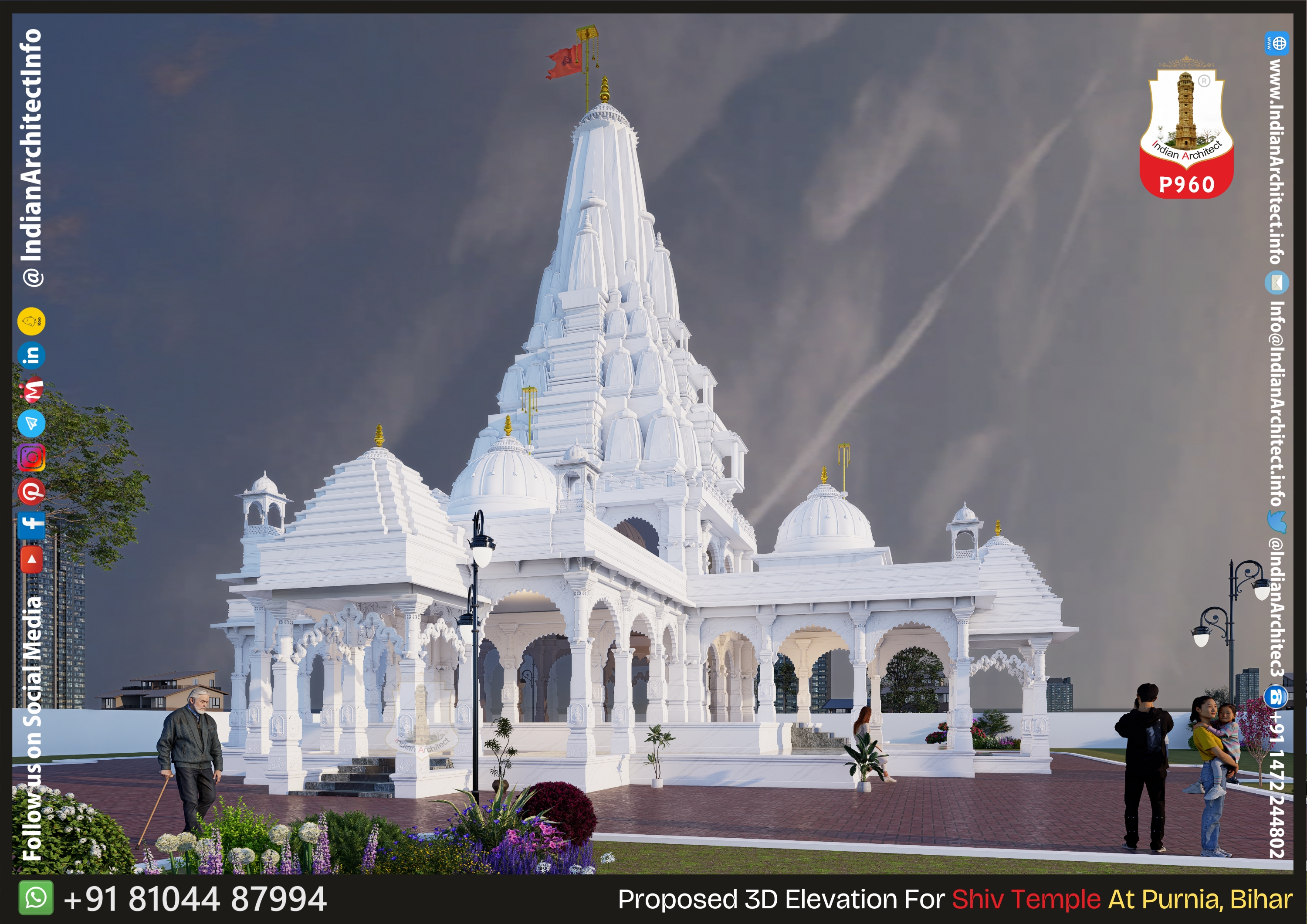
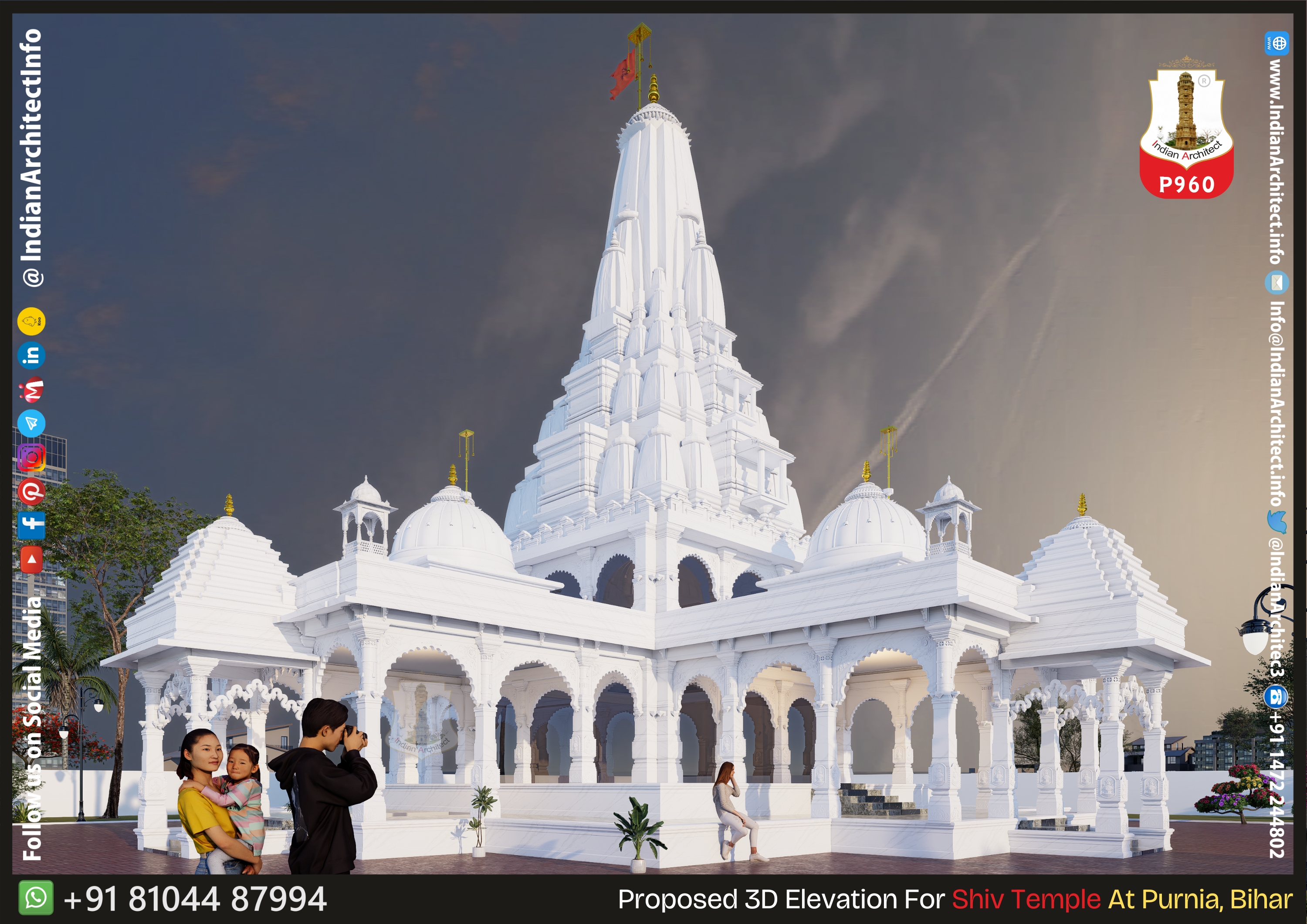
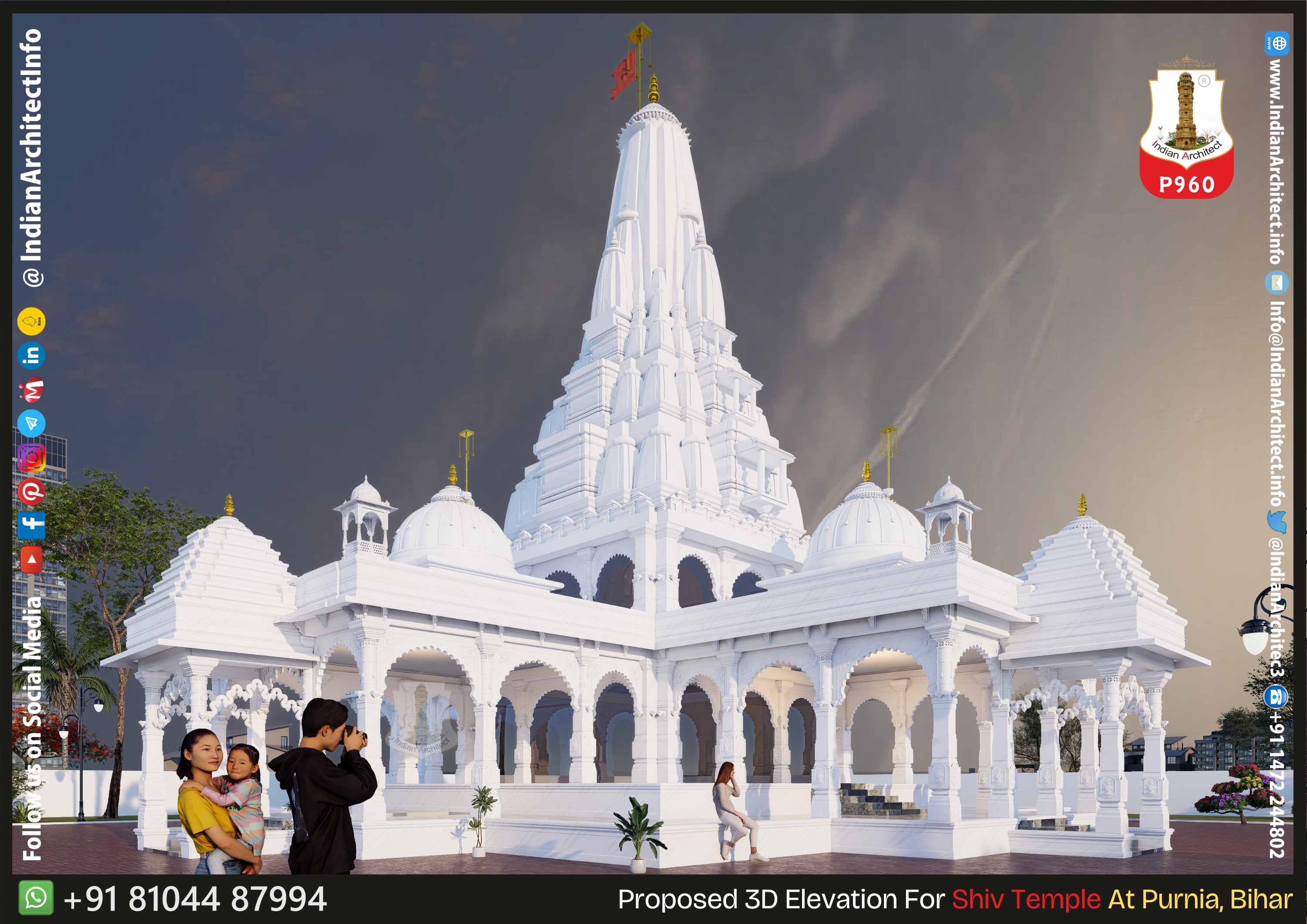
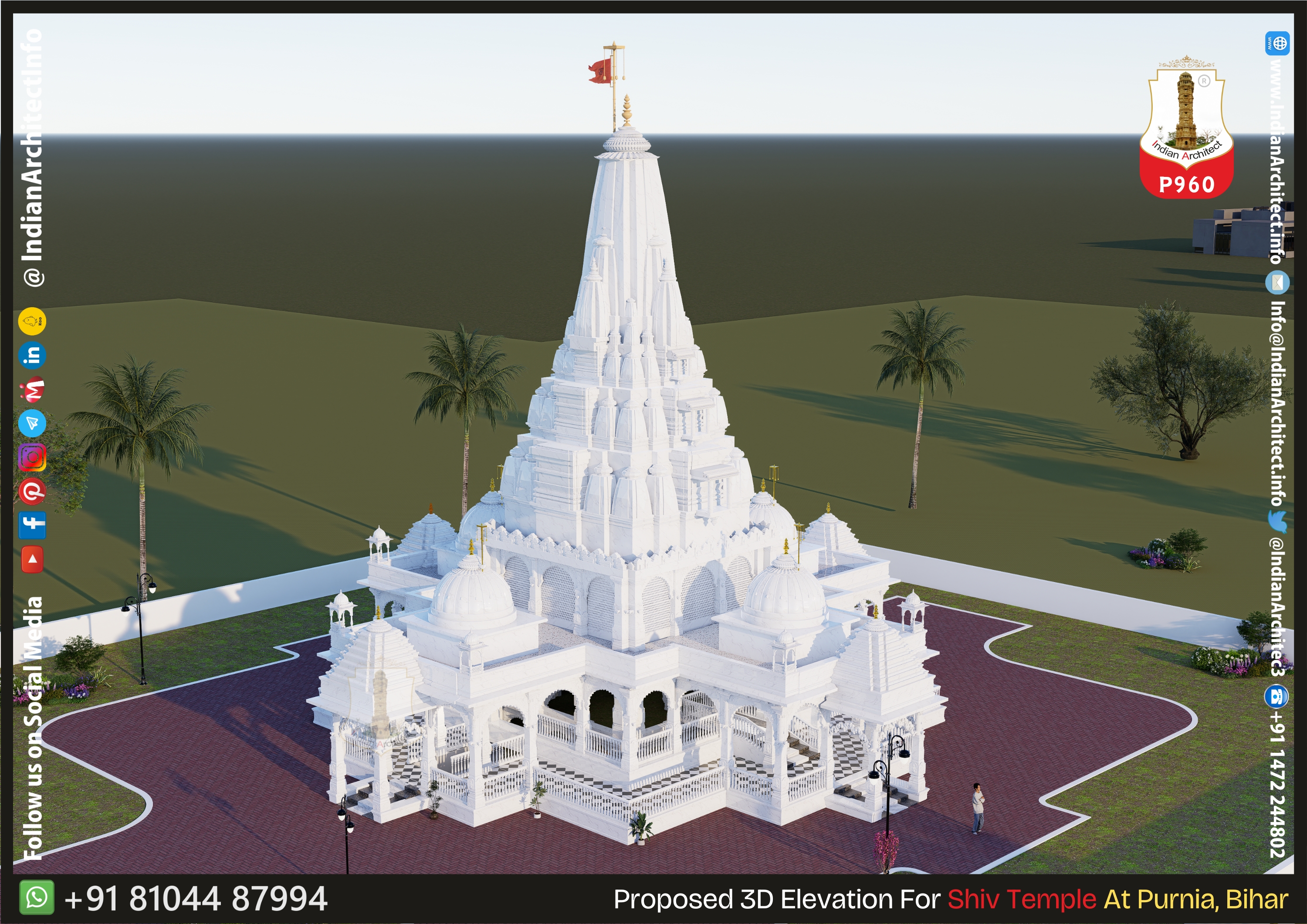
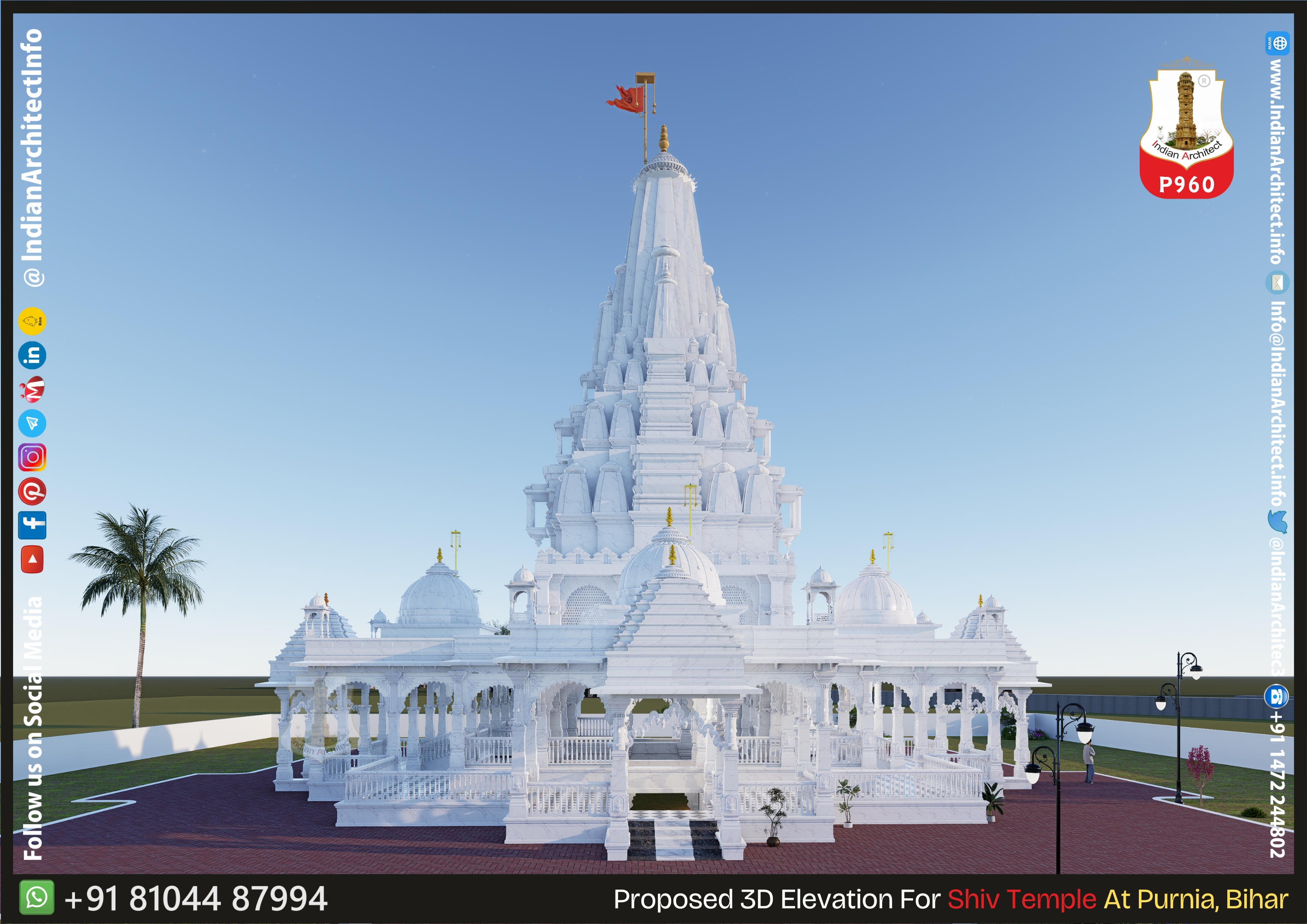
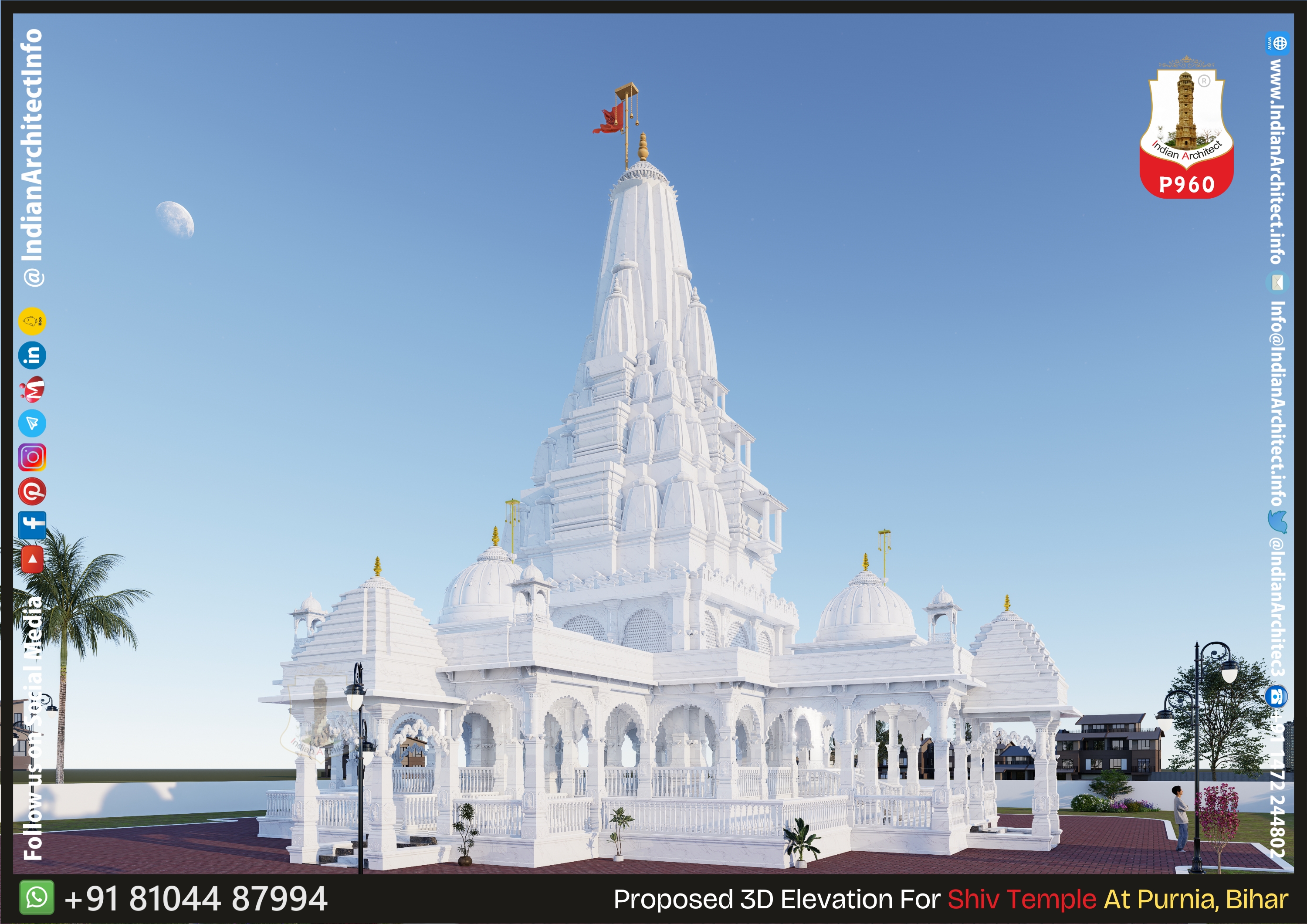
Shikhara (Main Spire): The central tower or Shikhara is the most prominent feature, reaching a great height with multiple layered sub-spires (Urushringas).
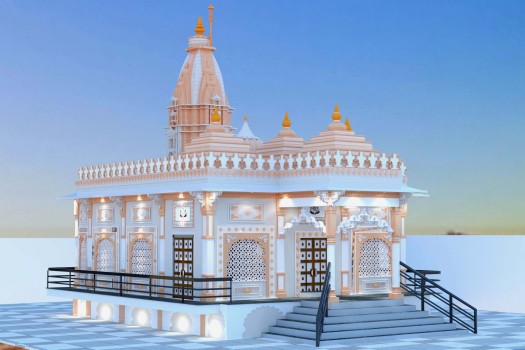
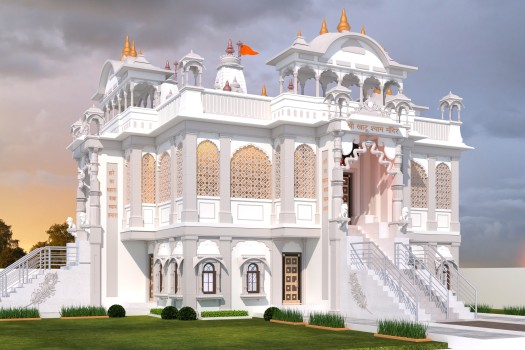
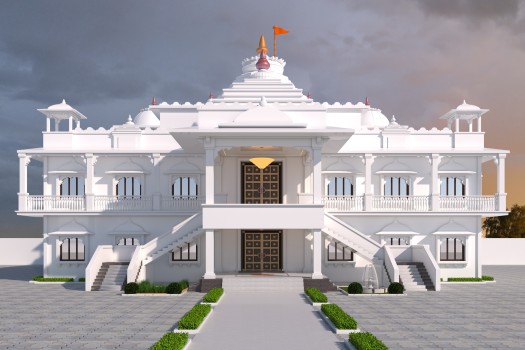
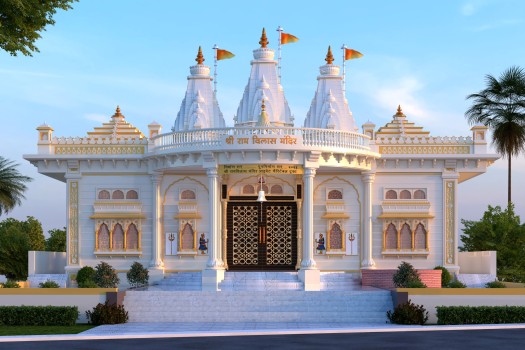
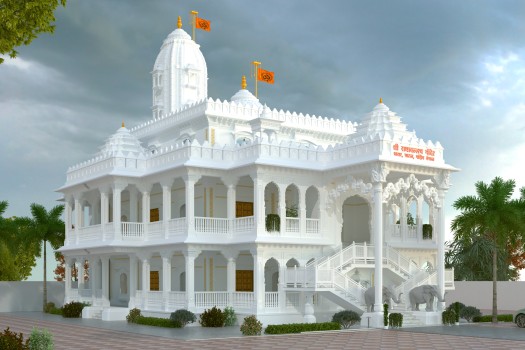
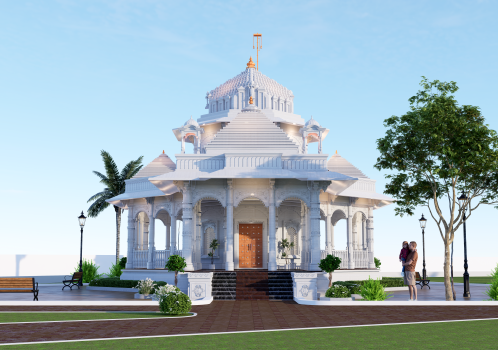
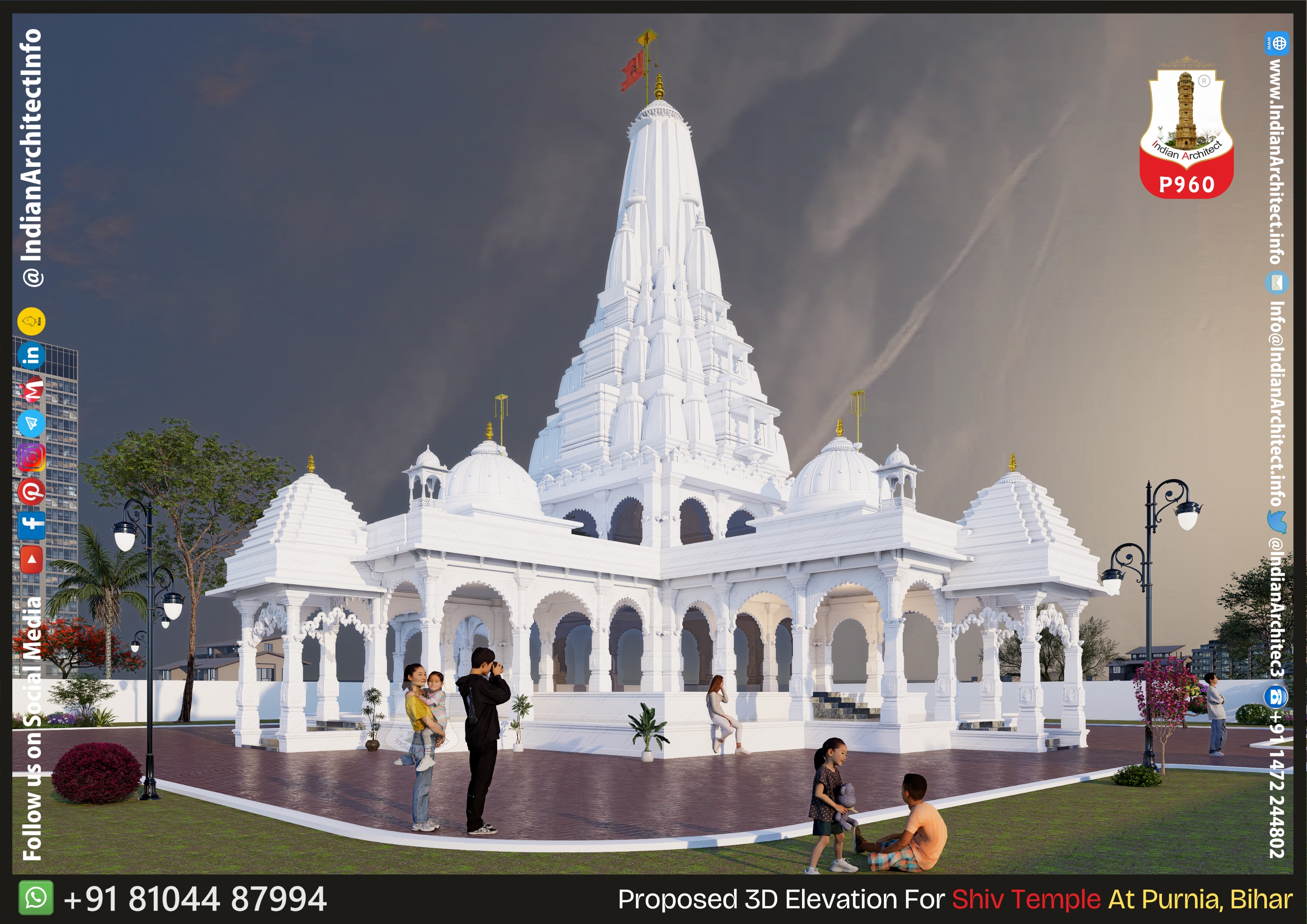
Material Palette: The entire structure is depicted in a pristine white marble finish, symbolizing purity, peace, and spiritual clarity.
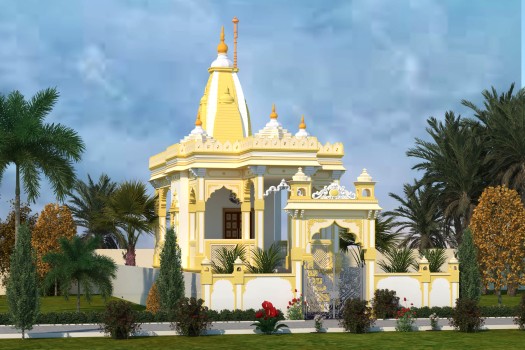
Amalaka and Kalash: At the very top of the Shikhara, there is a stone disk called an Amalaka, topped with a golden Kalash (sacred pot).
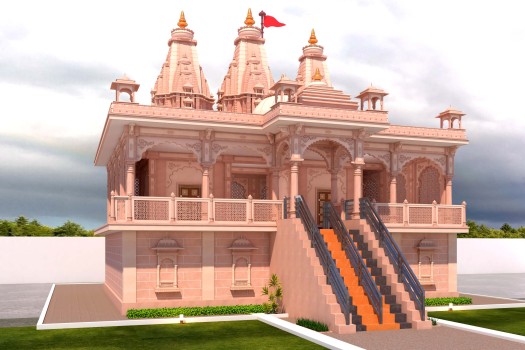
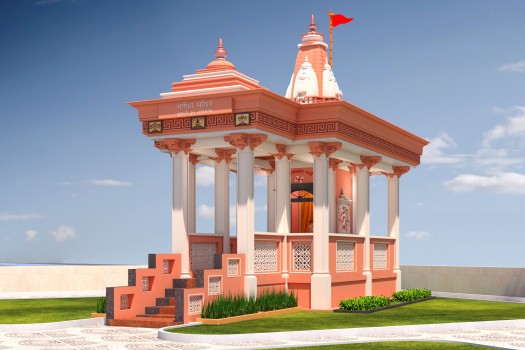
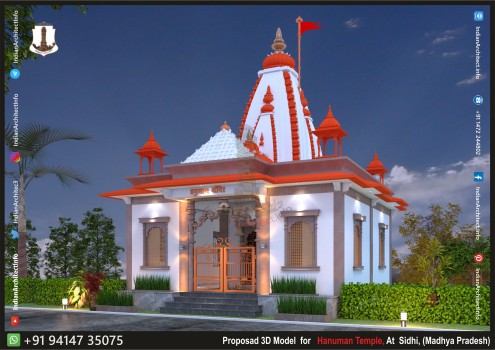
Dhwaja (Holy Flag): A bright saffron (orange) flag flies at the pinnacle, representing the victory of righteousness and the presence of the deity.
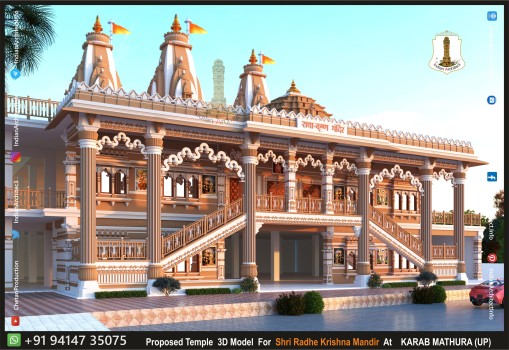
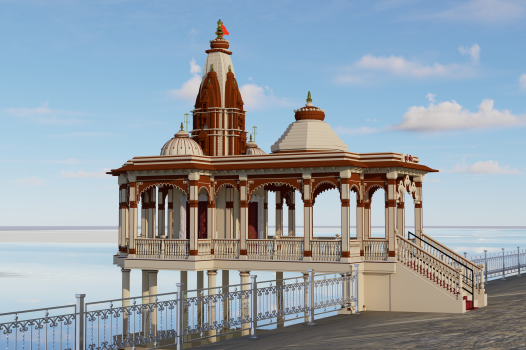
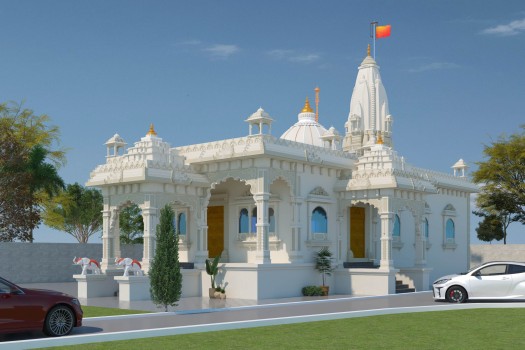
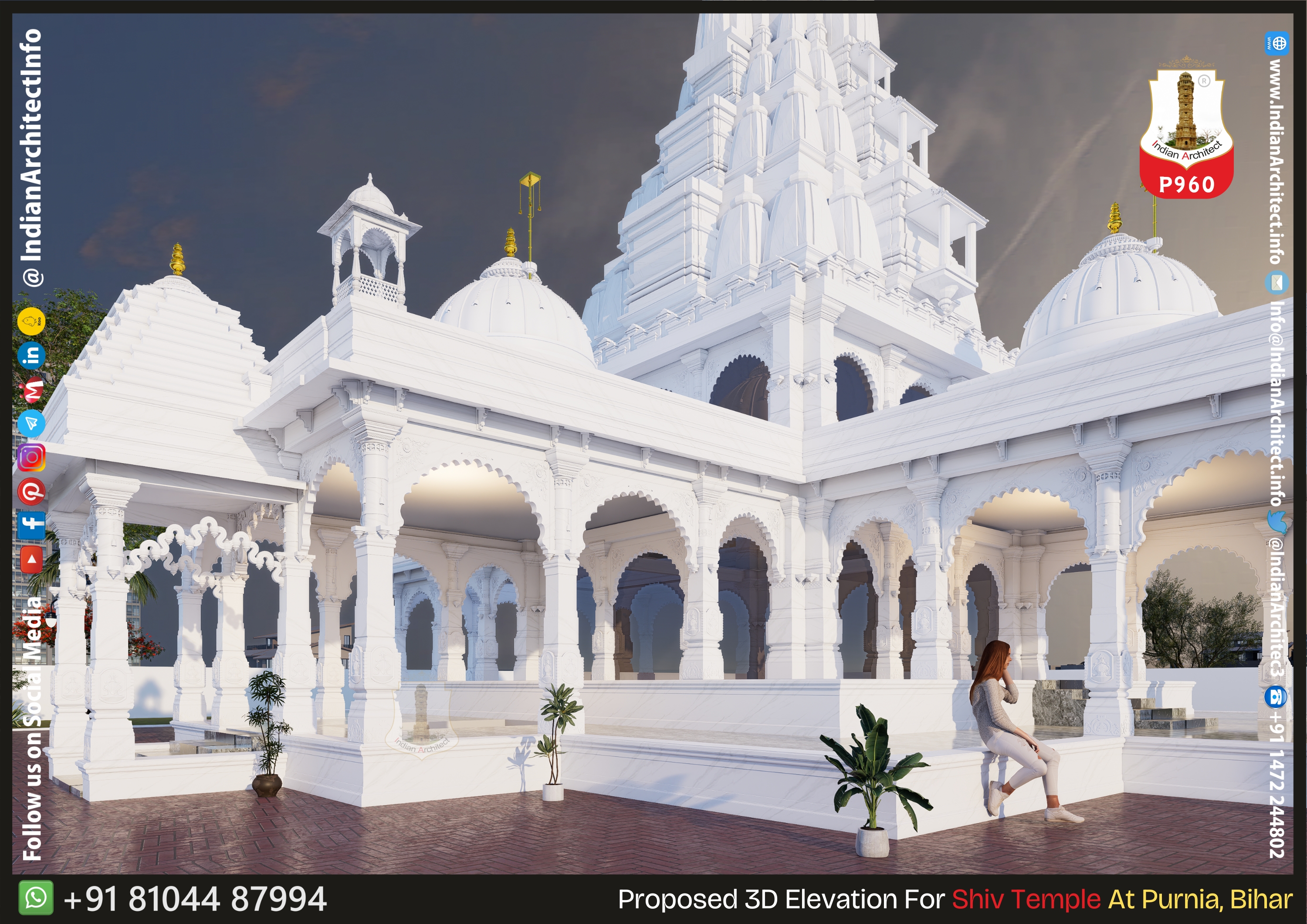
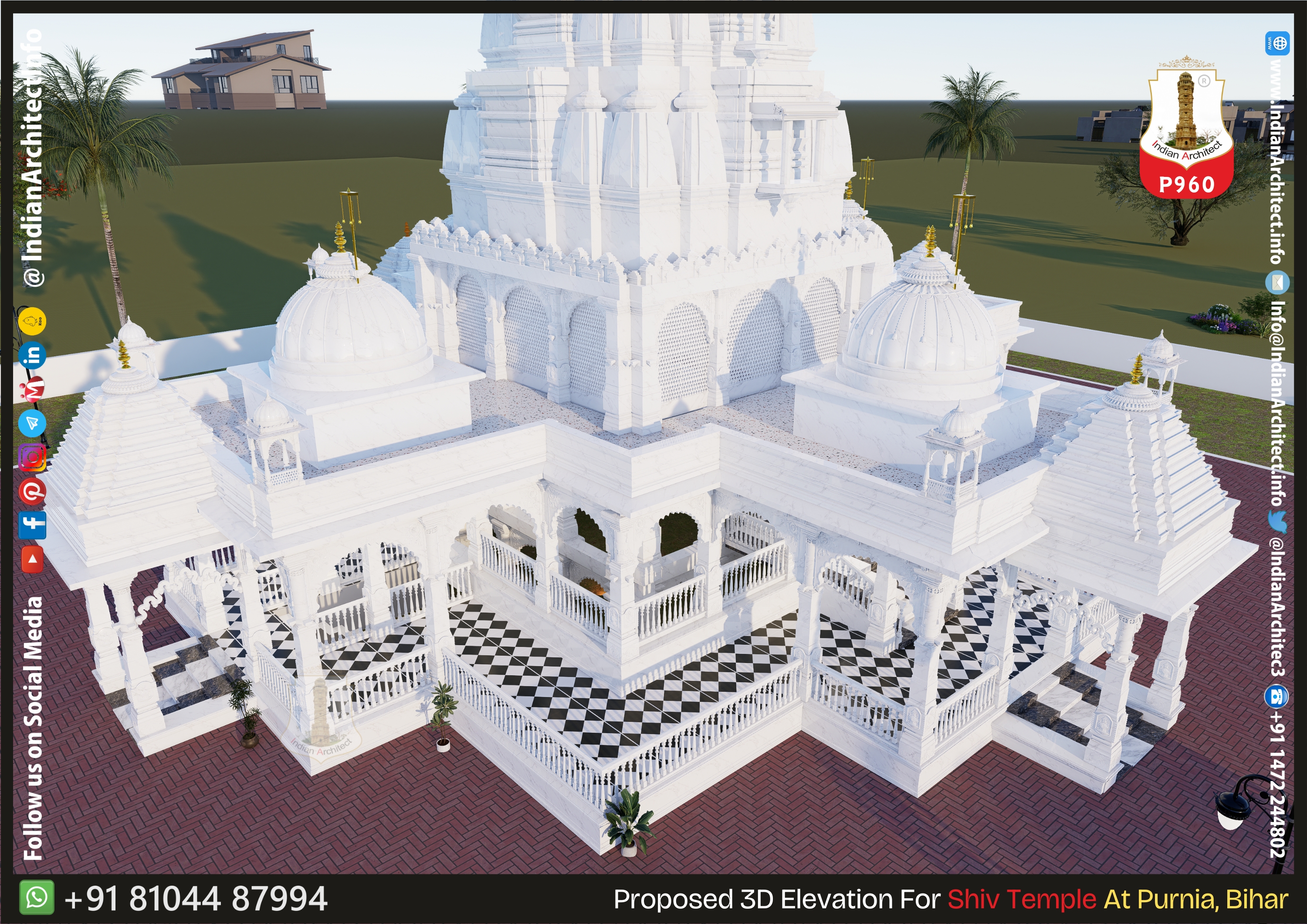
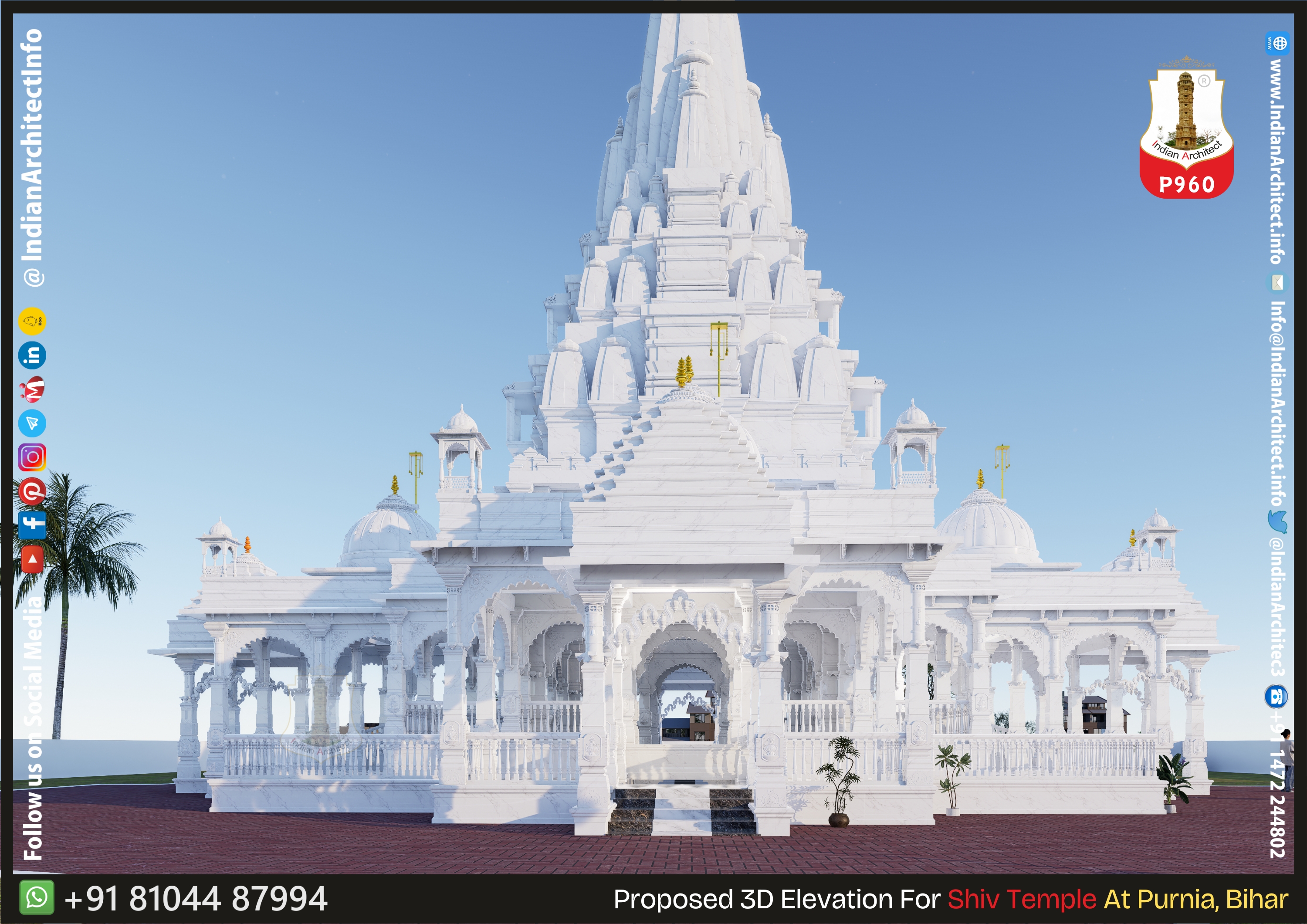
Mandapa (Front Hall): The temple features a spacious open Mandapa or assembly hall at the entrance for devotees to gather.
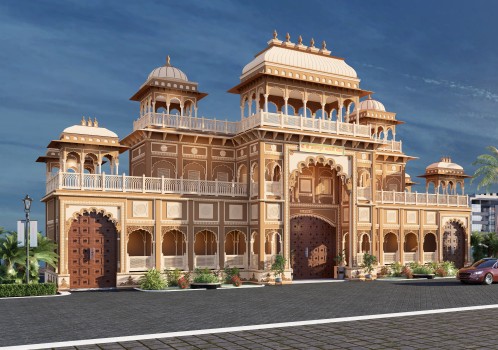
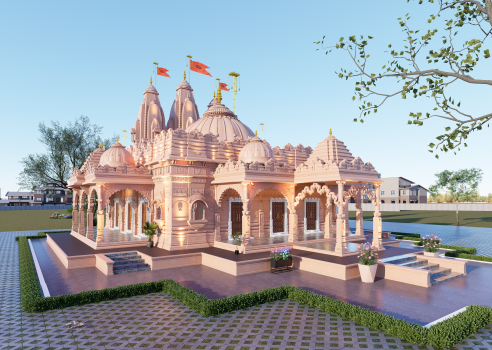
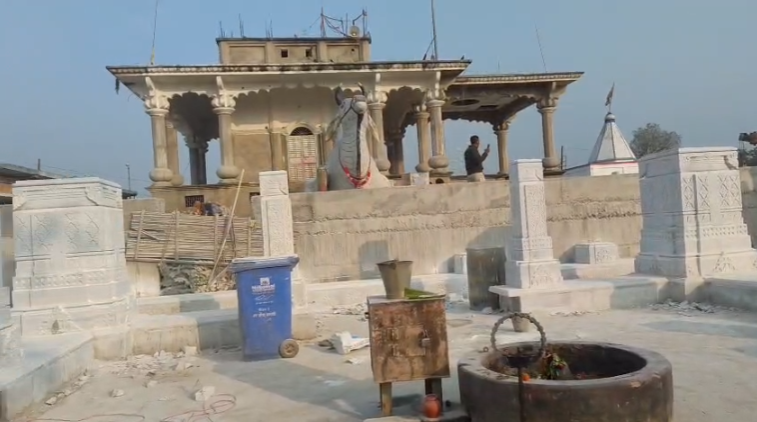
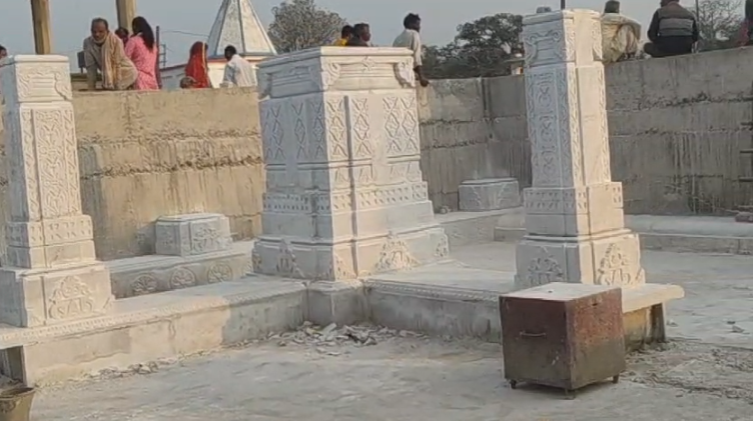
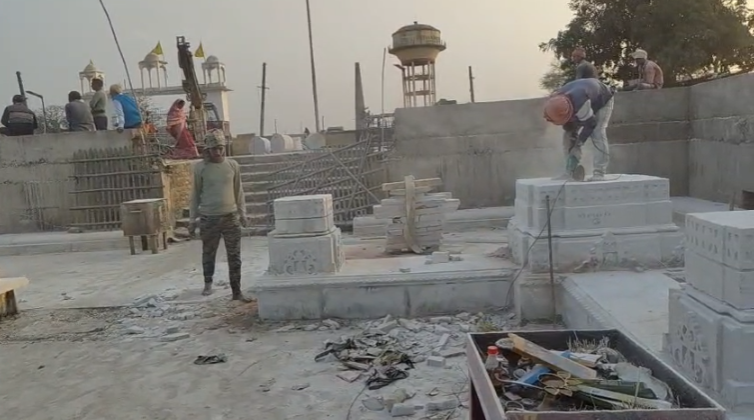
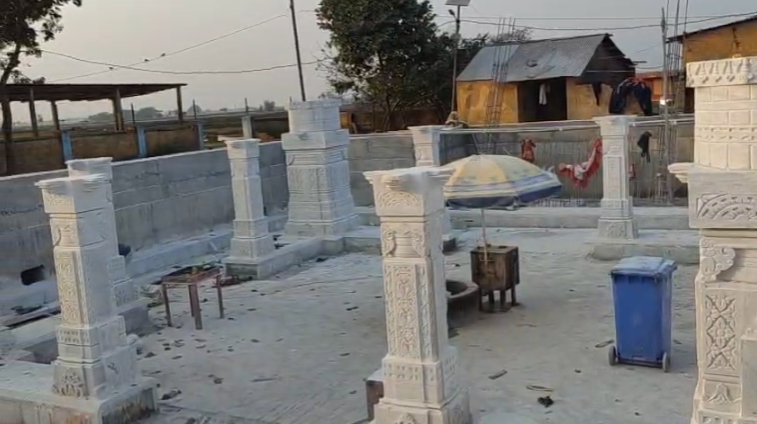
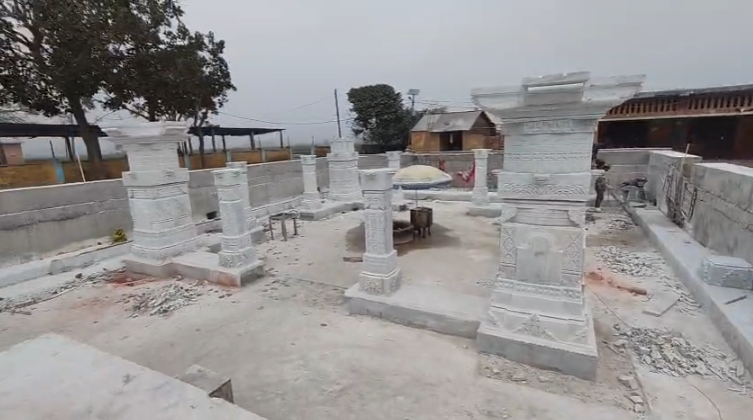
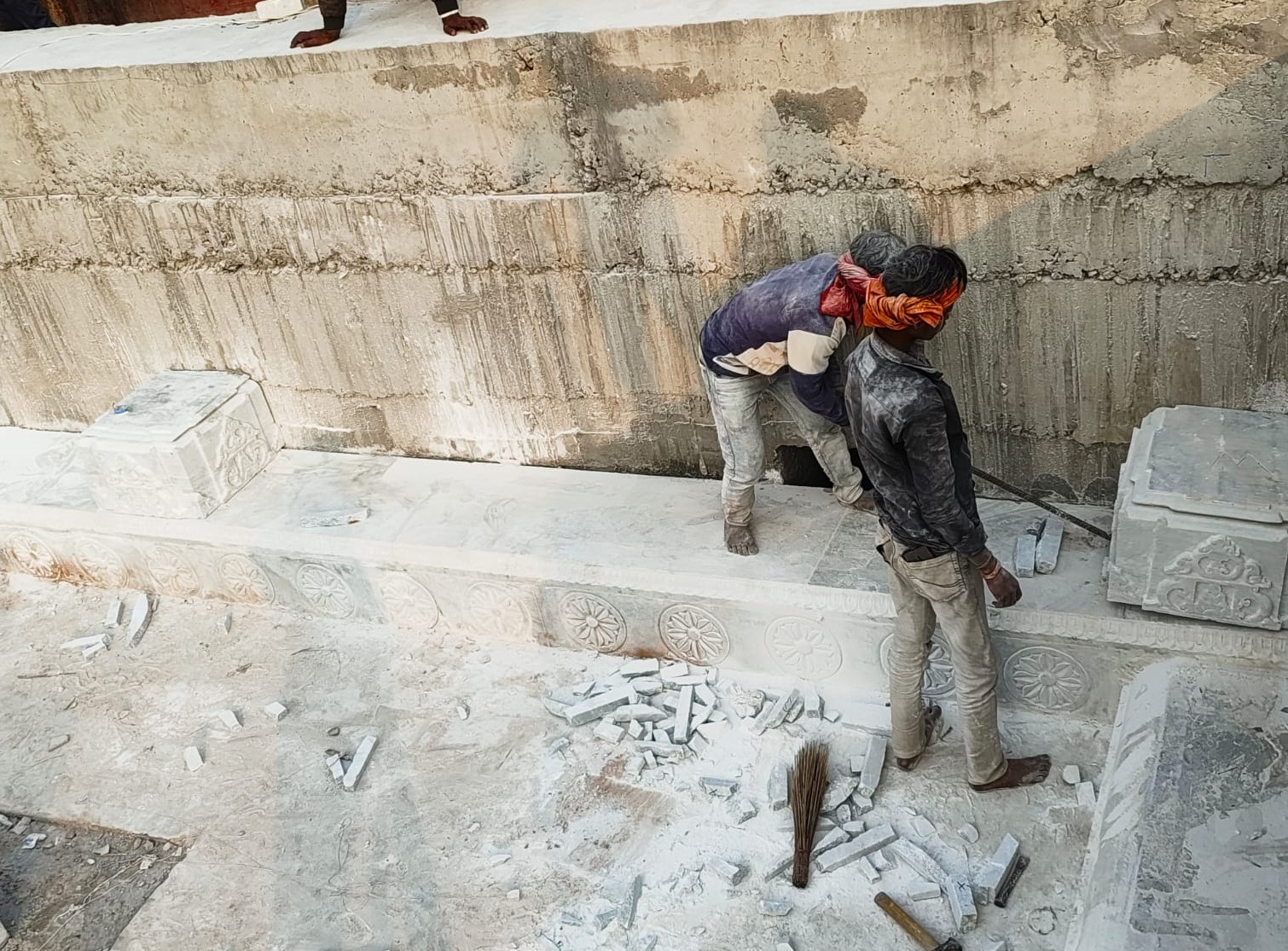
Intricate Carvings: The pillars and arches showcase detailed filigree and relief work, typical of Rajasthani and Gujarati temple craftsmanship.
Arched Entrance: The entryway features beautifully curved decorative arches supported by ornate square-based columns.
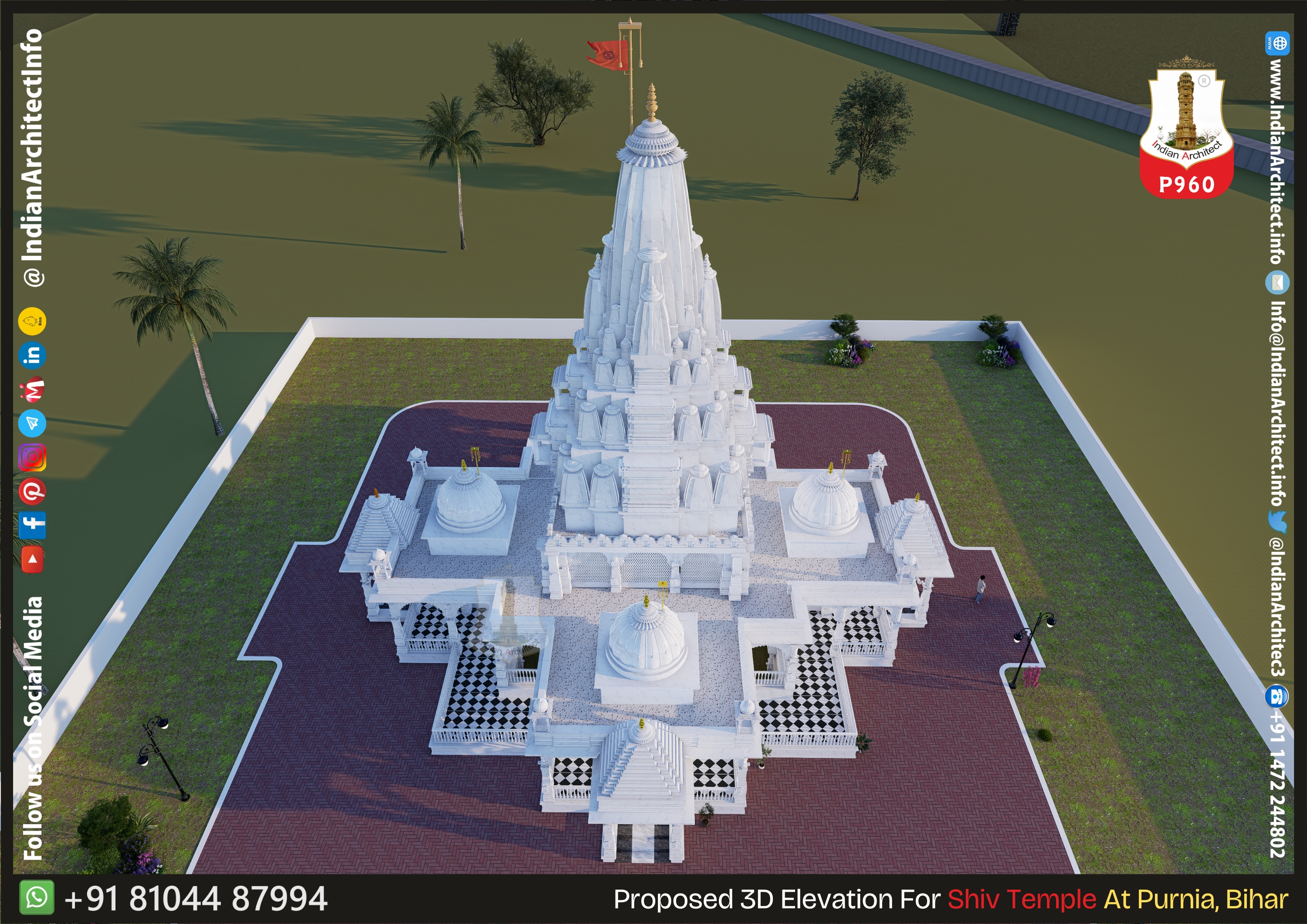
Garbhagriha (Sanctum): The main shrine for the Shivling is located directly beneath the highest point of the Shikhara.
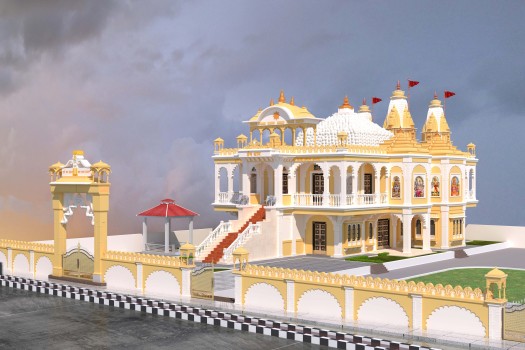
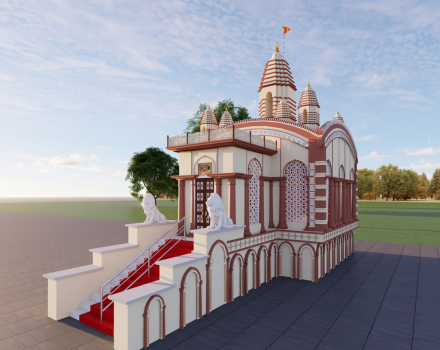
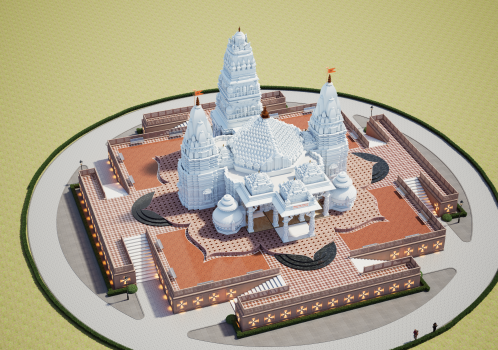
Jagati (Platform): The temple is built on an elevated platform or plinth, which separates the sacred space from the worldly ground.
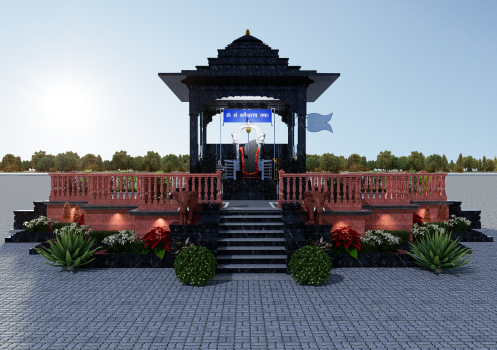
Staircase: The entrance is accessible via a wide set of steps made from dark contrasting stone, likely black granite or marble.
Pradakshina Path: The design includes a circumambulatory path around the sanctum for devotees to perform 'parikrama'.
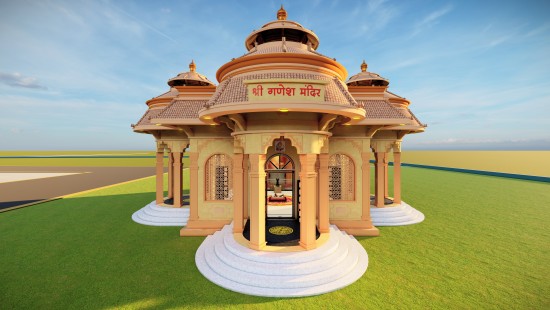
Side Domes: Smaller domes and chhatris are placed on the sides to provide architectural symmetry and balance to the main structure.
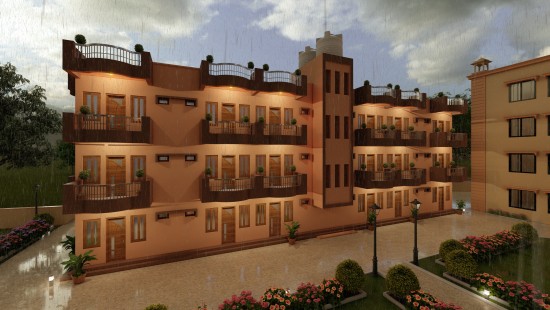
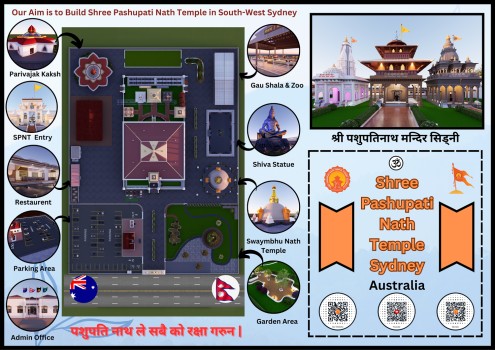
Modern Landscaping: The surroundings include clean brick paving, small decorative planters, and modern street lamps for nighttime illumination.
Scale and Proportion: The design uses a "mountain-like" vertical progression, intended to draw the eye upward toward the heavens.
Project Description :
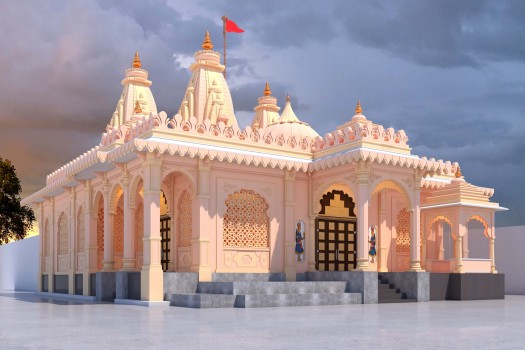
Architectural Style: The temple follows the Nagara style of architecture, which is predominantly found in Northern and Western India.
Shikhara (Main Spire): The central tower or Shikhara is the most prominent feature, reaching a great height with multiple layered sub-spires (Urushringas).
Material Palette: The entire structure is depicted in a pristine white marble finish, symbolizing purity, peace, and spiritual clarity.
Amalaka and Kalash: At the very top of the Shikhara, there is a stone disk called an Amalaka, topped with a golden Kalash (sacred pot).
Dhwaja (Holy Flag): A bright saffron (orange) flag flies at the pinnacle, representing the victory of righteousness and the presence of the deity.
Mandapa (Front Hall): The temple features a spacious open Mandapa or assembly hall at the entrance for devotees to gather.
Intricate Carvings: The pillars and arches showcase detailed filigree and relief work, typical of Rajasthani and Gujarati temple craftsmanship.
Arched Entrance: The entryway features beautifully curved decorative arches supported by ornate square-based columns.
Garbhagriha (Sanctum): The main shrine for the Shivling is located directly beneath the highest point of the Shikhara.
Jagati (Platform): The temple is built on an elevated platform or plinth, which separates the sacred space from the worldly ground.
Staircase: The entrance is accessible via a wide set of steps made from dark contrasting stone, likely black granite or marble.
Pradakshina Path: The design includes a circumambulatory path around the sanctum for devotees to perform 'parikrama'.
Side Domes: Smaller domes and chhatris are placed on the sides to provide architectural symmetry and balance to the main structure.
Modern Landscaping: The surroundings include clean brick paving, small decorative planters, and modern street lamps for nighttime illumination.
Scale and Proportion: The design uses a "mountain-like" vertical progression, intended to draw the eye upward toward the heavens.
















_1771924015.jpeg)